
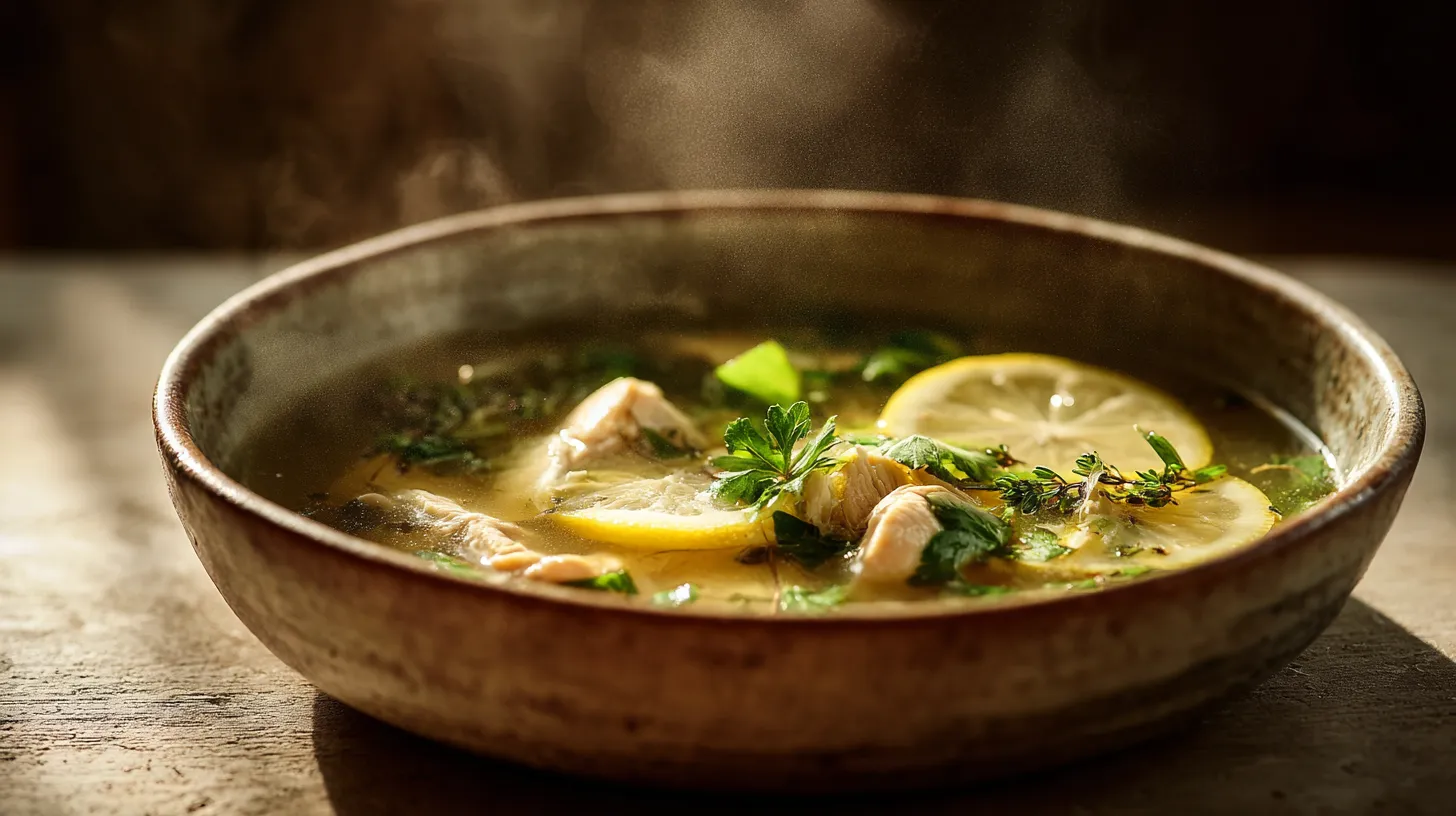
There’s a reason chicken soup shows up in almost every culture on earth. It’s the dish your grandmother simmered when you had a fever. It’s the first thing you crave when the temperature drops and the rain hits the windows. It’s the pot bubbling on the stove that makes an entire house smell like safety. If food could hug you, chicken soup would be the one with its arms wide open.
Table of Contents
I’ve been making chicken soup recipes for as long as I’ve been cooking — which is to say, for as long as I’ve been taking care of people I love. And over the years, I’ve built a collection that goes far beyond the classic bowl of noodles in broth (though we’ll absolutely get to that one, because it’s perfect). This article is the complete guide: the foundation of homemade stock, the classic noodle soup everyone needs in their back pocket, creamy variations that feel like a warm blanket, instant pot shortcuts for busy weeknights, copycat restaurant soups that taste even better at home, and globally-inspired bowls that prove comfort has no borders.
Every variation links to a full dedicated recipe. Consider this your roadmap — technique, timing, and a whole lot of love in every pot.
Why Homemade Chicken Soup Is Worth the Effort
Homemade chicken soup tastes like a completely different food from anything that comes out of a can. That’s not snobbery — it’s just physics and patience. When you simmer real chicken with real vegetables and real aromatics, you create layers of flavor that no factory shortcut can replicate. The broth turns golden and silky. The chicken stays tender instead of mealy. The whole pot smells like someone actually cared.
Beyond flavor, making homemade chicken soup puts you in control. You decide how much salt goes in — which, if you’ve ever checked the sodium content on a can of condensed soup, you know matters more than you’d think. You choose your vegetables. You skip the preservatives. You make it as light or as hearty as the moment calls for.
There’s also real science behind the comfort. A well-known study from the Nebraska Medical Center found research showing chicken soup may reduce cold symptoms by potentially inhibiting the movement of certain white blood cells associated with inflammation. The researchers didn’t claim soup was medicine — but they did confirm what grandmothers have known for centuries: a bowl of chicken soup when you’re feeling lousy isn’t just emotional comfort. Something real is happening in that pot.
And then there’s the quieter reward — the satisfaction of standing over your stove, stirring something you made from nothing, knowing it’s going to make someone feel better. That feeling never gets old.
The Foundation: Homemade Chicken Stock
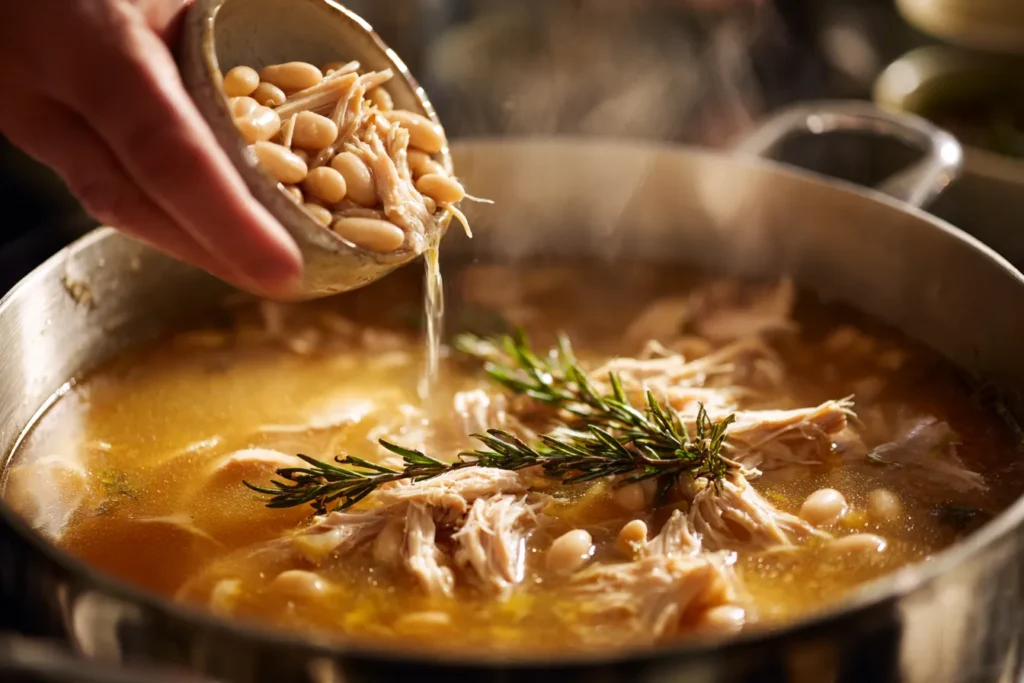
Every great chicken soup starts with great stock. It’s the invisible ingredient that separates the forgettable from the unforgettable, and once you’ve made it from scratch, you’ll understand why.
The difference between stock and broth comes down to bones. Stock is made by simmering bones — often roasted first for deeper flavor — with aromatics like onion, celery, carrot, garlic, and a few peppercorns. Broth, by contrast, is made primarily from meat. Stock gives you body and richness, that barely-there gelatin quality that makes a soup feel substantial even when the broth is clear. Broth gives you lighter, more straightforward chicken flavor.
For soup-making, stock is the foundation you want. The method is simple even if it takes time: roast your chicken bones (backs, wings, carcasses from last night’s roast) until they’re deeply golden, then transfer them to a large pot with cold water and your aromatics. Bring it to a gentle simmer — never a hard boil — and let it go for four to six hours. Skim the foam that rises in the first twenty minutes. Strain through a fine mesh sieve, let it cool, and refrigerate. The fat will solidify on top overnight and lift right off.
Homemade stock keeps in the fridge for three to four days, or in the freezer for up to three months, following USDA leftovers and food safety guidelines. I freeze mine in two-cup portions so I always have exactly what I need for a pot of soup.
For the full walkthrough, head to my homemade chicken stock recipe from scratch. And if you want to take it a step further into the long-simmered, sippable territory, try my nourishing chicken bone broth soup recipe. The two are closely related — stock is the cooking ingredient you build a soup on, while bone broth is the finished product you drink straight from a mug.
Classic Chicken Noodle Soup Recipe
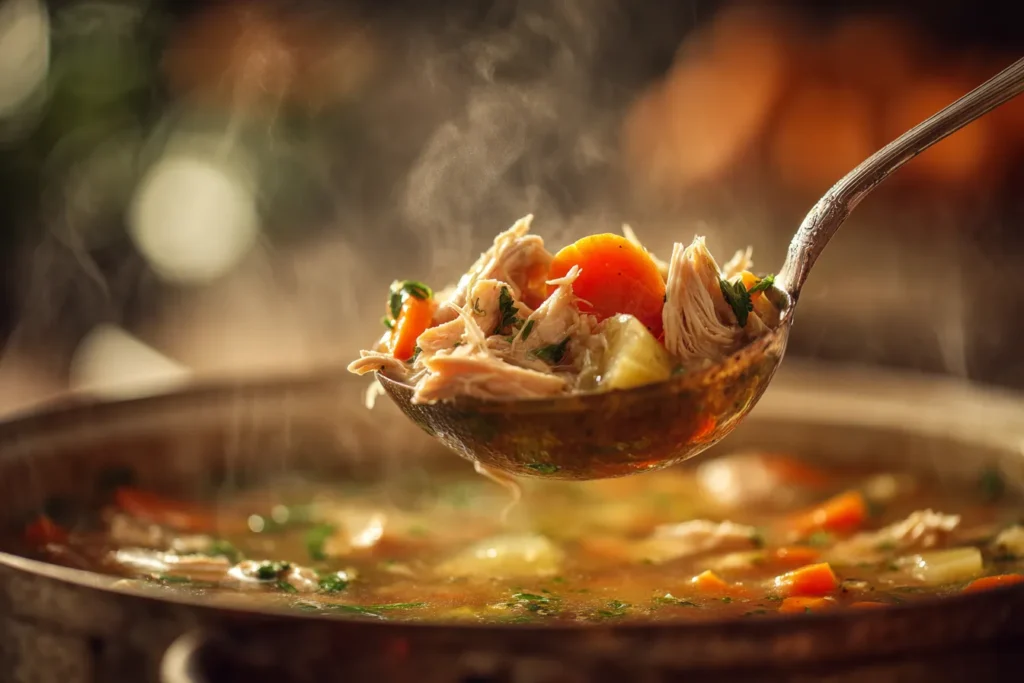
If there’s a single soup that deserves to be called the gold standard, it’s chicken noodle. It’s the one everyone pictures first — clear golden broth, tender shredded chicken, soft egg noodles, sliced carrots, diced celery, and sweet onion. It’s the soup that shows up on sick days, snow days, and every day in between. A good chicken noodle soup recipe is the most important recipe a home cook can have.
What makes the homemade version so much better than canned is everything. The broth actually tastes like chicken instead of salt water. The noodles hold their shape instead of dissolving into mush. The vegetables have texture and color and freshness. There are no preservatives, no metallic aftertaste, no ingredient list you need a chemistry degree to understand.
The single biggest mistake people make with chicken noodle soup is overcooking the noodles directly in the broth. Egg noodles are sponges — they absorb liquid and turn soft fast. If you cook them in the soup and then store the leftovers, you’ll open the fridge the next day to find bloated, mushy noodles floating in a pot that’s lost half its broth. The fix is easy: cook your noodles separately in salted water, drain them, and add them to individual bowls just before ladling the soup over the top. Your leftovers will thank you.
If you love the classic but want a twist, try my copycat Panera chicken noodle soup for a richer, restaurant-style version. Or, if time is tight, my instant pot chicken noodle soup recipe gets you to the table in under thirty minutes.
Creamy Chicken Soups
Sometimes you want something richer. Something that coats the back of the spoon and warms you from the inside out. That’s where creamy chicken soups come in — the indulgent, stick-to-your-ribs category that turns soup into a full meal.
Creamy Chicken and Rice Soup
This is the soup that blurs the line between soup and stew. The rice breaks down slightly as it simmers, thickening the broth into something almost velvety. Every spoonful is hearty and satisfying — the kind of bowl you want after a long day when you need something that feels like it’s holding you together. The chicken stays tender, the vegetables meld into the base, and the whole thing becomes one seamless, comforting bite. Get the full version here: creamy chicken and rice soup recipe.
Creamy Chicken and Potato Soup
When the temperature truly drops — the kind of cold that makes your bones ache — this is the soup I reach for. Chunks of soft potato, tender chicken, and a broth that’s been enriched into something thick and warming. It’s the ultimate cold-weather bowl, substantial enough to serve as dinner with nothing alongside it but a thick slice of bread. Find the recipe here: creamy chicken and potato soup recipe.
Copycat Olive Garden Chicken Gnocchi Soup
The restaurant version of this soup has a near-cult following, and for good reason. Pillowy gnocchi, shredded chicken, spinach, and a creamy broth that somehow manages to taste both rich and light — it’s one of those recipes people don’t believe they can make at home until they try it. Spoiler: the homemade version is better. You control the cream, the seasoning, and the quality of every ingredient. Try my copycat Olive Garden chicken gnocchi soup and see for yourself.
One technique worth knowing for all creamy soups: you don’t always need heavy cream to get a rich, silky texture. A roux — equal parts butter and flour cooked together before adding the broth — creates body and thickness without excessive heaviness. You can also blend a portion of the vegetables directly into the soup for natural creaminess, or stir in a few tablespoons of cream cheese at the end for instant richness. Each method gives you a different result, and they’re all worth trying.
Globally-Inspired Chicken Soups
Chicken soup isn’t just an American comfort food — it’s a worldwide tradition. Nearly every culture has its own version, its own spices, its own way of turning chicken and broth into something that feels like home. These two recipes prove that the concept is universal, even when the flavors couldn’t be more different.
Greek Avgolemono (Lemon Chicken Soup)
Avgolemono is one of those soups that makes you wonder why you ever settled for anything ordinary. The base is a clear, well-seasoned chicken broth with rice or orzo, but the magic happens at the end: a mixture of beaten eggs and fresh lemon juice is tempered into the hot broth, transforming it into something silky, tangy, and utterly unique. The brightness of the citrus cuts through the richness of the egg, creating a flavor that’s comforting and refreshing at the same time. It’s a soup that wakes up your palate instead of putting it to sleep. Try my Greek avgolemono lemon chicken soup for the full recipe.
Chicken Taco Soup
This is chicken soup’s Tex-Mex cousin — bold, loaded, and impossible not to go back for seconds. Black beans, corn, fire-roasted tomatoes, taco seasoning, and tender chicken come together in a spiced, tomato-rich broth that begs for all the toppings: sour cream, shredded cheese, avocado, crushed tortilla chips. It’s a party in a bowl, and it feeds a crowd without breaking the bank. Get the recipe here: easy chicken taco soup recipe.
And if these globally-inspired bowls have sparked your appetite for bolder flavors, love spice? try our peri peri chicken recipe for something with even more heat.
Bean & Vegetable-Forward Chicken Soups
Some soups are meant to be the whole meal — no side dish, no salad, no bread required. These are the bowls that fill you up completely, packed with protein, fiber, and enough substance to keep you satisfied for hours.
Hearty Chicken and Bean Soup
This is the budget-friendly powerhouse of the chicken soup world. Beans and chicken together deliver a double hit of protein, and the beans break down just enough during simmering to thicken the broth naturally. It’s the kind of soup you can make a big batch of on Sunday and eat all week — it actually gets better as it sits. White beans, cannellini, or even black beans all work beautifully here, and the whole pot costs next to nothing to make. Get the recipe: hearty chicken and bean soup.
Spicy Chicken Soup
For those of us who believe comfort and heat aren’t mutually exclusive. This soup brings the warmth in every sense — jalapeños, chili flakes, or chipotle peppers layered into a rich chicken broth that clears your sinuses and satisfies your soul. It’s the bowl you reach for when you want soup that fights back a little. Find it here: spicy chicken soup with bold flavors.
These heartier soups work beautifully as meal prep options. Make a large pot, portion it into containers, and you’ve got lunch or dinner handled for the week.
Instant Pot & Quick Chicken Soups
The Instant Pot changed soup-making the way microwaves changed reheating — it didn’t replace the original method, but it made the process so fast that there’s no longer an excuse not to make soup on a weeknight. What used to require a lazy Sunday afternoon — simmering stock, cooking chicken low and slow, coaxing out flavor over hours — now happens in about thirty minutes under pressure.
Quick Instant Pot Chicken Soup
This is the all-purpose, get-dinner-on-the-table-fast version. Chicken thighs or breasts, vegetables, broth, and seasonings go into the pot together. Set the pressure, walk away, and come back to a soup that tastes like it simmered all day. It’s the easy chicken soup recipe that every busy household needs. Full recipe here: quick instant pot chicken soup.
Instant Pot Chicken Noodle Soup
The specific noodle version, optimized for pressure cooking. The key difference here is timing — noodles cook differently under pressure than they do on the stovetop, and getting them right requires a little strategy. Full details in the recipe: instant pot chicken noodle soup recipe.
A few tips for pressure cooking soup successfully. First, always use natural release for soups — quick release causes rapid bubbling that can spray hot broth through the valve and make a mess. Let the pressure come down on its own for at least ten minutes. Second, layer your ingredients thoughtfully: denser vegetables and chicken go on the bottom, lighter items on top. And never fill the pot past the two-thirds line — liquid expands under pressure, and an overfilled pot is a safety hazard.
For even longer, hands-off cooking, check out our slow-cooked chicken soups and broths for a different approach to the same lazy comfort.
Using Leftover Chicken in Soup
You don’t always need to start from scratch. Some of the best chicken soups I’ve ever made started with yesterday’s leftovers — and that’s not a compromise. That’s smart cooking.
Rotisserie chicken is the ultimate soup shortcut, and I use it without an ounce of guilt. It’s already seasoned, already cooked, and already falling off the bone. All you need to do is shred it and add it to your simmering broth in the last ten minutes of cooking. The result is a soup that tastes deeply seasoned and richly flavored without any extra work. Try my easy rotisserie chicken soup recipe to see how simple it can be.
Any leftover chicken works — roasted, grilled, poached, even the leftover thighs from Tuesday night’s dinner. Just shred or cube the meat and stir it into the soup toward the end so it heats through without overcooking and drying out.
A few helpful resources for working with cooked chicken: know how long cooked chicken lasts in the fridge so you’re always using it safely, and check out my easy shredded chicken recipes for any meal for more ways to use up what’s in the fridge. And if you’d rather roast your own bird to start with, roast your own chicken with our oven-baked guide — then use the carcass for stock and the leftover meat for soup. That’s the full circle.
Tips for Making the Best Chicken Soup Every Time
Good technique is what separates a forgettable pot of soup from one people ask you to make again. Here are the habits I’ve built over years of making chicken soup from scratch — the small things that make a big difference.
Start with cold water. When making stock or building your soup base, always begin with cold water rather than hot. Cold water extracts proteins and impurities slowly, giving you a cleaner, more translucent broth. Hot water causes those proteins to seize up immediately, resulting in a cloudy, murky soup.
Skim the foam. During the first fifteen to twenty minutes of simmering, grayish foam will rise to the surface. Skim it off with a spoon or ladle. This foam is coagulated protein — it’s not harmful, but leaving it in makes the broth taste muddier and look less appetizing.
Season in layers. Don’t dump all your salt in at the beginning. Add a little at the start, taste as the soup develops, and adjust toward the end. Broth reduces as it simmers, concentrating the flavors — if you salt heavily at the start, you can easily end up with an oversalted pot that’s hard to fix.
Add acid at the end. A squeeze of fresh lemon juice or a small splash of apple cider vinegar, stirred in just before serving, brightens flat-tasting soup in a way that nothing else can. It doesn’t make the soup taste lemony or vinegary — it just makes it taste more like itself.
Cook noodles and rice separately. This is worth repeating: starches absorb liquid. If you cook noodles or rice directly in the soup, they’ll soak up the broth and turn to mush in the leftovers. Cook them on the side, store them separately, and combine in individual bowls at serving time.
Cool soup properly before storing. Don’t put a steaming pot of soup directly into the refrigerator — it raises the internal temperature of the fridge, potentially putting other food in the danger zone. Let soup cool on the counter for no more than two hours (per food safety guidelines), then transfer to shallow containers for faster cooling in the fridge. For detailed storage times, reference the FDA refrigerator and freezer storage chart.
Knowing how long to boil chicken breast perfectly also makes a big difference — overboiled chicken turns rubbery and dry, while properly poached chicken stays tender and juicy in the soup.
Frequently Asked Questions
How long does homemade chicken soup last in the fridge?
Homemade chicken soup lasts three to four days in the refrigerator when stored in an airtight container. Make sure the soup has cooled to room temperature before refrigerating — but don’t leave it sitting out for more than two hours. If you’ve made a large batch and won’t finish it within four days, freeze the extra in portioned containers for easy reheating later.
Can you freeze chicken soup?
Yes, chicken soup freezes beautifully for up to three months. The one exception is noodles — they don’t freeze and reheat well, turning mushy and bloated when thawed. If you plan to freeze your soup, leave the noodles out and cook fresh ones when you reheat. Store the soup in freezer-safe containers or heavy-duty zip-top bags with as much air removed as possible.
What is the best chicken cut for soup?
Bone-in, skin-on chicken thighs are the best cut for soup. They’re more flavorful than breasts, more forgiving if slightly overcooked, and the bones add richness to the broth as they simmer. That said, a whole chicken works wonderfully too — you get a mix of white and dark meat, plus a carcass for stock. Boneless, skinless breasts work in a pinch, especially for quicker recipes, but they tend to dry out faster and contribute less body to the broth.
How do I make chicken soup from scratch?
Start by making a simple stock: simmer chicken bones with onion, celery, carrot, garlic, peppercorns, and bay leaves in water for four to six hours. Strain the stock, then build your soup by sautéing fresh aromatics (onion, celery, carrot) in a pot, adding the stock, and simmering with seasoned chicken until the meat is cooked through. Shred the chicken, return it to the pot, and add your chosen starch — noodles, rice, or potatoes — cooked separately. Season to taste and serve.
What’s the difference between chicken stock and chicken broth?
Stock is made primarily from bones simmered for a long time, producing a rich, gelatinous liquid with deep body. Broth is made primarily from meat and has a lighter, more straightforward chicken flavor. Stock is the better foundation for soups because of its richer texture and more complex flavor. In everyday home cooking, the terms are often used interchangeably, and either will make a good soup — but true stock made from roasted bones will always produce a noticeably superior result.
How do I thicken chicken soup without flour?
Several methods work well. Blend a portion of the cooked vegetables (potatoes, carrots, or beans) directly in the pot using an immersion blender — this adds body without changing the flavor. Stir in a few tablespoons of cream cheese for instant richness and thickness. Add cooked rice and let it simmer until it partially breaks down. Or whisk a tablespoon of cornstarch into a small amount of cold water and stir it into the simmering soup until it thickens, about two minutes.
Your Complete Collection of Chicken Soup Recipes
Chicken soup is more than a recipe — it’s an act of care. It’s the meal you make when someone you love is sick, when the weather turns cold, when you need to feel grounded and warm and reminded that simple things still matter. It’s the pot that fills the kitchen with steam and the house with the kind of smell that makes everyone drift toward the stove.
Every chicken soup recipe in this collection has its own full, dedicated article with complete ingredients and step-by-step instructions. Whether you’re starting with homemade stock or a store-bought shortcut, making a classic noodle soup or a globally-inspired bowl you’ve never tried before, the right recipe is here waiting for you.
Bookmark this page. Share it with someone who could use a bowl of comfort. And the next time life calls for soup — which, let’s be honest, is most of the time — come back and find exactly what you need.
Guide: Chicken Stock vs Broth: What Is the Difference and Which to Use – Stock, broth and bone broth compared: ingredients, simmer time, body, salt and the best uses for each, plus easy substitutions.