
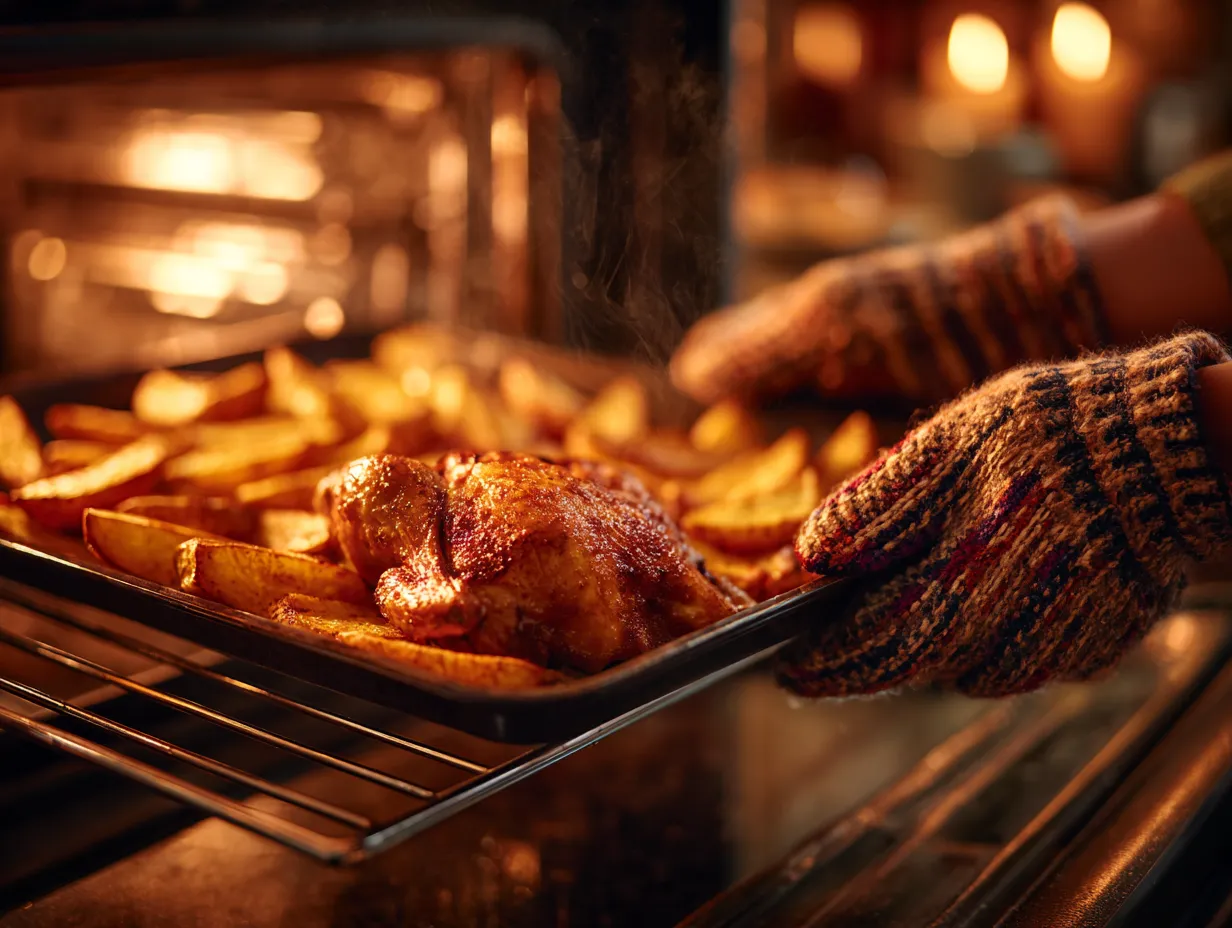
There is a distinct, comforting magic that happens when you slide a pan of seasoned poultry into a hot oven. The sound of sizzling fat, the intoxicating aroma of roasting garlic and herbs filling the kitchen, and the promise of golden skin with a crackling crunch make it the ultimate home-cooked meal. Whether I am feeding a hungry crowd on a Sunday afternoon or scrambling to pull together a quick Tuesday night dinner, I always rely on a solid roster of oven baked chicken recipes. It is arguably the most reliable, hands-off cooking method in any home cook’s repertoire.
Table of Contents
Baking allows you to achieve that perfect contrast of deeply caramelized, crispy exteriors and wonderfully juicy, tender interiors without the constant babysitting required by stovetop cooking. This comprehensive guide is going to be your permanent kitchen companion for mastering every single cut of the bird. We are going to cover the precise temperatures, timings, and essential techniques needed for everything from party-ready wings and budget-friendly drumsticks to hearty leg quarters and even smoked breast.
By the time you finish reading, you will know exactly how to treat each specific cut to maximize its flavor and texture. Let me show you how to transform a simple package of poultry into a masterpiece of sizzling, golden perfection.
Comforting chicken and gravy recipe
Why Oven Baked Chicken Recipes Is the Ultimate Weeknight Solution
Cooking baked chicken in oven environments is the ultimate strategy for stress-free weeknight dinners because it requires practically zero hands-on attention. Once you season your protein and arrange it on a baking sheet, the appliance does all the heavy lifting while you help with homework, fold laundry, or simply pour yourself a glass of wine. You avoid the messy grease splatters on your backsplash that inevitably come with pan-frying, and the cleanup is as simple as tossing a sheet of parchment paper in the trash.
Southern-style smothered chicken recipe
This method is also incredibly forgiving and universally appealing to both picky eaters and adventurous palates alike. You can take the exact same cut of meat and completely reinvent it night after night just by swapping out your spice rubs or marinades. From a sticky, sweet honey-soy glaze to a robust, smoky paprika and cumin rub, the dry, even heat of the oven locks those flavors directly into the meat.
Homemade Chick-fil-A grilled nuggets
Furthermore, baking is the undisputed champion of Sunday meal prep. I love roasting two large sheet pans of assorted cuts at the beginning of the week so my fridge is fully stocked with high-quality protein. You can seamlessly pull this cooked meat from the fridge all week long to toss into hearty salads, wrap up in quick lunchtime burritos, or serve alongside simple roasted vegetables. It is a highly efficient, family-friendly approach to cooking that saves you both time and money.
Understanding Chicken Cuts for the Oven
Understanding the anatomy of the bird is the very first step to becoming a master of oven roasted chicken recipes. Different cuts have vastly different ratios of fat, muscle, and bone, which means they behave differently when exposed to dry heat. Wings are mostly skin and bone with a small amount of meat, making them the absolute best candidate for high-heat roasting to achieve a crackling crunch.
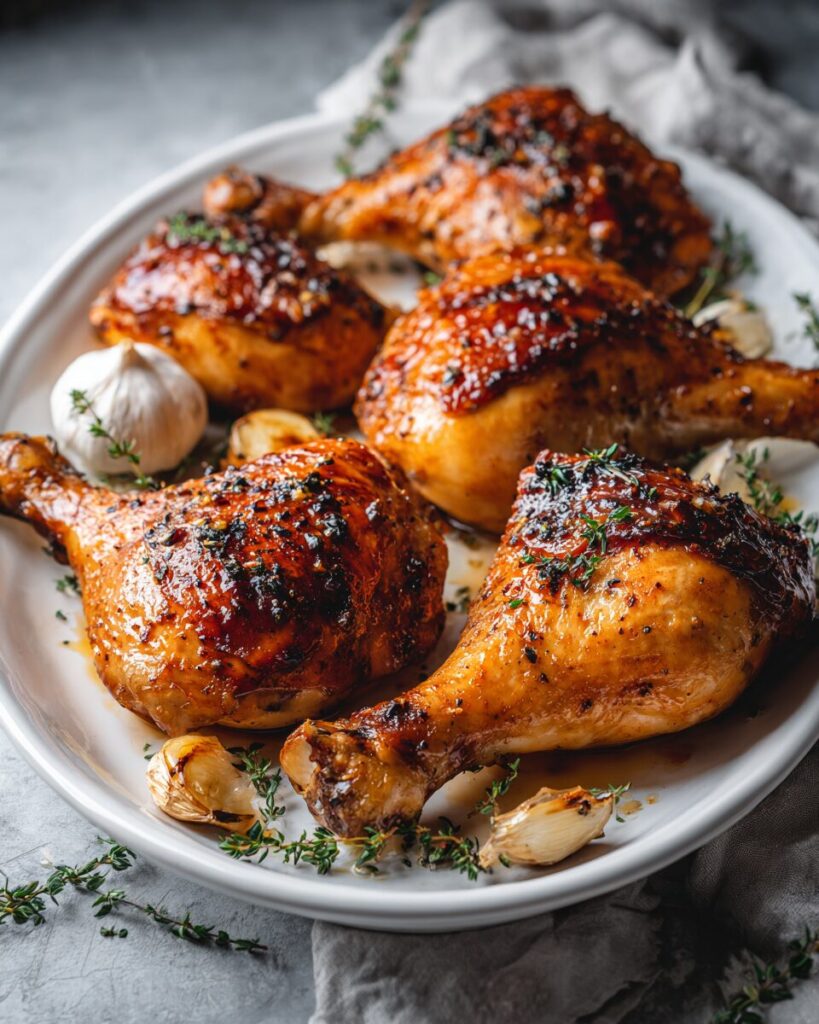
Moving down the bird, we have the dark meat cuts, which are heavily worked muscles rich in myoglobin and connective tissue. A drumstick is essentially the calf of the bird, while the thigh is the upper leg portion. Many home cooks confuse these terms, but when you leave the drumstick and thigh connected together, it is officially called a leg quarter. If the butcher leaves a portion of the lower back bone attached to that leg quarter, you have what is known as a hindquarter.
Unlike lean breast meat, which can dry out incredibly fast, dark meat cuts like drumsticks and quarters are highly forgiving in the oven. The extra fat naturally bastes the meat as it roasts, while the connective tissues slowly break down into rich, lip-smacking gelatin. If you want to dive deeper into anatomical differences and grocery store labeling, I highly recommend reading this complete guide to chicken cuts and their best uses.
Essential Oven Temperatures & Cooking Times for Every Cut
Baking at the correct temperature is the absolute difference between a rubbery, pale dinner and a restaurant-quality meal with sizzling, golden skin. I generally rely on three main temperature zones depending on the specific cut I am preparing. Baking at 350°F is ideal for larger, bone-in cuts like whole breasts or massive hindquarters, as the moderate heat cooks the thick meat thoroughly before the outside can burn.
For standard, everyday roasting of drumsticks, thighs, and standard leg quarters, 400°F is the ultimate sweet spot. This medium-high heat is hot enough to render the fat and crisp the skin beautifully, but gentle enough to keep the interior meat remarkably juicy. When dealing with wings, you want to crank your oven up to 425°F or even 450°F; this aggressive heat blasts the skin, simulating the texture of deep-frying without any of the heavy oil.
Regarding timing, wings typically take 40–45 minutes at high heat, while drumsticks and thighs need about 35–45 minutes at 400°F. Larger leg quarters and hindquarters will often require 45–55 minutes to allow their dense connective tissues to break down properly. Regardless of the cut or the temperature you choose, the meat is only safe to eat when a digital thermometer reads 165°F at the thickest part near the bone. For a complete scientific breakdown of these parameters, you can review the official meat and poultry roasting charts.
Crispy Oven-Baked Chicken Wings
Crispy oven-baked wings are the undisputed kings of game day appetizers, offering all the satisfying crunch of traditional pub food without the heavy, greasy mess of a deep fryer. The secret to achieving that shatteringly crisp skin in the oven relies on a simple combination of intense, high heat and aggressively drying out the skin before cooking. By utilizing a wire rack and a specific baking powder technique, you alter the pH level of the skin, which accelerates the browning and crisping process.
The flavor versatility of baked wings is practically limitless once you master the foundational roasting technique. You can toss them in a classic, buttery Buffalo sauce, coat them in a savory garlic parmesan blend, or glaze them with a sticky, caramelized honey BBQ sauce. The dry heat of the oven ensures that the meat inside stays incredibly tender while the exterior develops a beautiful, mahogany-colored crust.
If you are ready to ditch the deep fryer for good, you need to learn this specific dry-brine method. I have documented my exact step-by-step process for achieving maximum crunch in my dedicated guide for [crispy oven-baked chicken wings]. However, if you are a traditionalist at heart and prefer the classic oil-submerged method, you can always [prefer fried? try our fried chicken wings recipe] instead.
Baked Chicken Drumsticks & Legs in the Oven
Easy Drumsticks for Busy Weeknights
Drumsticks are arguably the most budget-friendly and kid-approved cut you can possibly buy at the grocery store. Their built-in “handle” makes them fun to eat, while their dark meat composition makes them nearly impossible to overcook or dry out in the oven. You can coat them in crushed cornflakes for a faux-fried texture, or slather them in barbecue sauce during the last ten minutes of baking for a sticky, caramelized finish. For a foolproof, crowd-pleasing dinner that requires minimal prep, check out my [easy baked chicken drumsticks recipe].
Mastering Chicken Legs and Cooking Times
When readers ask me how to properly cook whole chicken legs, the most common hurdle is simply understanding the required time investment. Because the drumstick and thigh are cooked together on the bone, they require a slightly longer stint in the oven to ensure the meat around the joint is fully cooked and no longer pink. You should generally expect a full chicken leg to take anywhere from 40 to 50 minutes at 400°F. For a precise breakdown of temperatures, internal checks, and seasoning ideas, visit my comprehensive guide on [how long to cook chicken legs in the oven].
Chicken Leg Quarters & Hindquarters in the Oven
Roasting Flavorful Leg Quarters
Leg quarters are the butcher’s best-kept secret for delivering massive flavor on a tight grocery budget. Because this cut includes the thigh, the drumstick, and a generous portion of the skin, it releases an incredible amount of savory fat as it roasts, naturally basting the meat below. This self-basting action creates a profoundly rich, deeply savory flavor profile that you simply cannot get from leaner cuts. To learn how to properly season and roast this substantial cut, explore my collection of the [best chicken leg quarter recipes for the oven].
Juicy and Tender Hindquarters
Hindquarters take the richness of the leg quarter one step further by leaving a portion of the chicken’s lower back attached to the thigh. This extra piece of bone and fat provides incredible insulation during the baking process, ensuring the meat remains remarkably juicy even after an hour in the oven. The back portion also contains the “oyster,” a small, incredibly tender nugget of dark meat that chefs consider the absolute best bite on the entire bird. If you want to master this hearty, rustic cut, dive into my favorite [juicy baked chicken hindquarter recipes].
Smoked Chicken Breast: Beyond the Oven
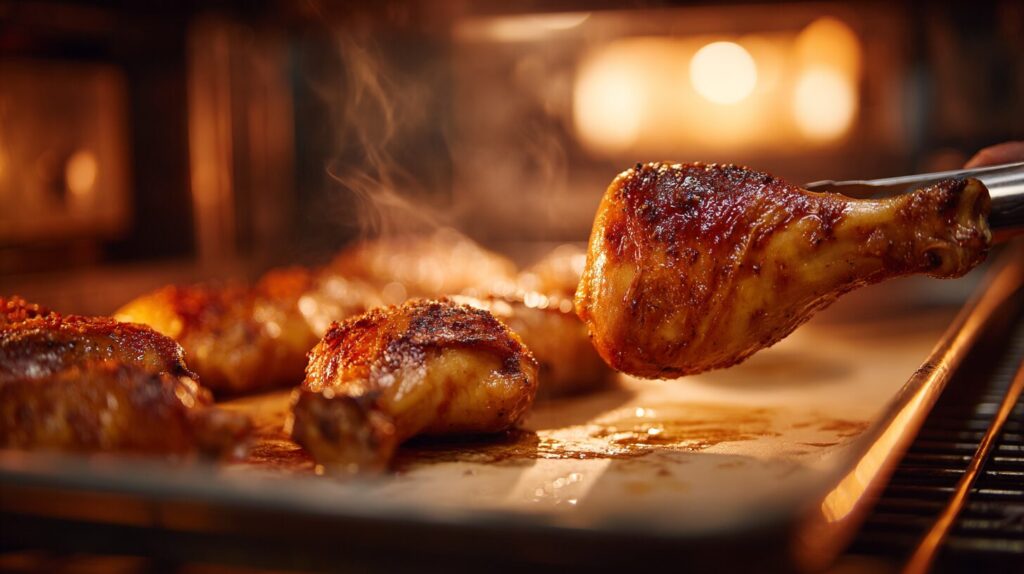
For home cooks looking to elevate their poultry game beyond the standard indoor oven, transitioning to a backyard smoker opens up an entirely new world of flavor. Smoking a chicken breast relies on the exact opposite principles of high-heat baking; you utilize a much lower temperature (usually around 225°F) over a significantly longer period. This “low and slow” approach allows fragrant wood smoke from apple, hickory, or cherry chips to deeply penetrate the meat, leaving a beautiful pink smoke ring just beneath the surface.
While breast meat is notoriously lean and prone to drying out, the gentle heat of a smoker keeps the internal moisture intact while infusing it with complex, savory campfire notes. It is a fantastic weekend project that yields incredible meat for sandwiches, salads, and creamy pastas throughout the week. If you are ready to fire up the pellet grill or offset smoker, read my step-by-step tutorial on [how to smoke chicken breast at home].
Interestingly, the prolonged cooking environment of a smoker means you can safely pull the meat at slightly lower temperatures if it holds that temperature for a specific duration. This pasteurization process results in significantly juicier breast meat than traditional high-heat baking. To understand the fascinating safety metrics behind this technique, I highly recommend reading the science behind safe chicken cooking temperatures.
Tips for Perfectly Baked Chicken Every Time
Achieving restaurant-quality, easy baked chicken at home comes down to mastering a few incredibly simple but non-negotiable kitchen techniques. First and foremost, you must thoroughly pat the raw skin dry with paper towels before applying any oil or seasoning. Moisture is the ultimate enemy of crispy skin; if the skin is wet when it enters the oven, it will essentially steam itself rather than roast.
Secondly, I always recommend elevating your meat on a wire cooling rack set inside your baking sheet. This crucial step allows the hot oven air to circulate completely underneath the meat, preventing the bottom from becoming soggy as juices release. Furthermore, you should always take the time to gently separate the skin from the meat with your fingers and push your spices directly underneath. This ensures the actual muscle tissue is deeply flavored, rather than just the exterior skin.
Never slice into a freshly baked piece of poultry the moment it comes out of the oven. You must let the meat rest on a cutting board for at least 5 to 10 minutes, which allows the violently bubbling internal juices to calm down and redistribute back into the muscle fibers. Finally, completely eliminate the guesswork from your cooking by relying on a digital instant-read thermometer. For a comprehensive look at food safety, handling, and thermometer placement, consult the USDA’s complete guide to cooking chicken safely.
How to Store and Repurpose Leftover Baked Chicken
Properly handling and storing your leftover baked chicken ensures that your meal prep efforts are completely safe and delicious for days to come. Once the meat has cooled down, you should transfer it to shallow, airtight glass or plastic containers and place it in the refrigerator within two hours of cooking. Storing it with a small spoonful of the pan drippings will help keep the meat remarkably moist when you eventually reheat it.
Cooked poultry generally maintains its quality and safe eating standards for three to four days in the refrigerator. If you are planning meals further out, you can absolutely freeze cooked, off-the-bone meat for up to three months in heavy-duty freezer bags. If you need precise guidelines on freshness indicators and safety timelines, review my dedicated article explaining [how long cooked chicken lasts in the fridge].
Having this pre-cooked, highly flavorful protein on hand makes pulling together quick lunches and dinners incredibly simple. You can easily pull the cold meat off the bone and toss it into a spicy buffalo wrap, a vibrant Cobb salad, or a quick weeknight quesadilla. For a massive list of creative ideas to use up your leftovers, check out these [easy shredded chicken recipes for any meal]. Better yet, remember that [leftover baked chicken makes an incredible base for homemade chicken soup], providing a rich, savory depth that raw meat simply cannot match.
Use smoked chicken bones for rich bone broth
Frequently Asked Questions
What temperature should I bake chicken at?
Baking at 400°F is generally the best all-purpose temperature for roasting chicken in the oven. This medium-high heat is perfectly balanced, allowing the fat to render and the skin to become beautifully crispy while ensuring the interior meat cooks through without drying out. For specific cuts like wings, you may want to increase the heat to 425°F for maximum crunch.
How long does it take to bake chicken drumsticks?
Chicken drumsticks typically take between 35 and 45 minutes to bake fully in a 400°F oven. Because dark meat contains more connective tissue, it benefits from this slightly longer cooking time, which allows the tough fibers to break down into tender, juicy meat. Always verify doneness by ensuring a meat thermometer reads 165°F near the bone.
Do I need to flip chicken in the oven?
No, you do not strictly need to flip chicken while it bakes, especially if you are using a wire rack that allows air to circulate underneath. However, if you are baking directly on a sheet pan, flipping pieces like wings or drumsticks halfway through the cooking time will ensure more even browning and crisping on all sides.
How do I get crispy skin on baked chicken?
You achieve crispy skin on baked chicken by aggressively drying the raw skin with paper towels to remove all surface moisture before cooking. Additionally, lightly tossing the skin with a small amount of aluminum-free baking powder raises the skin’s pH level, which accelerates browning and creates a blistered, crackling texture in a hot oven.
Is it better to bake chicken covered or uncovered?
It is always better to bake chicken uncovered if your goal is to achieve golden, crispy skin. Covering the pan with aluminum foil traps the evaporating moisture, effectively steaming the meat and resulting in a pale, flabby, and soft exterior. Only use foil if you are purposely trying to braise the meat or if the skin is burning before the inside is fully cooked.
Conclusion
Mastering a variety of oven baked chicken recipes is the single best way to ensure you always have a reliable, delicious, and stress-free dinner plan up your sleeve. Whether you are craving the crackling crunch of high-heat wings or the deeply savory comfort of a slow-roasted hindquarter, your oven is the ultimate tool for poultry perfection. Every single cut we discussed today has a complete, detailed recipe post specifically designed to guarantee your success in the kitchen. I invite you to explore the full collection, find your new favorite weeknight staple, and bookmark this page as your ultimate culinary reference guide!