
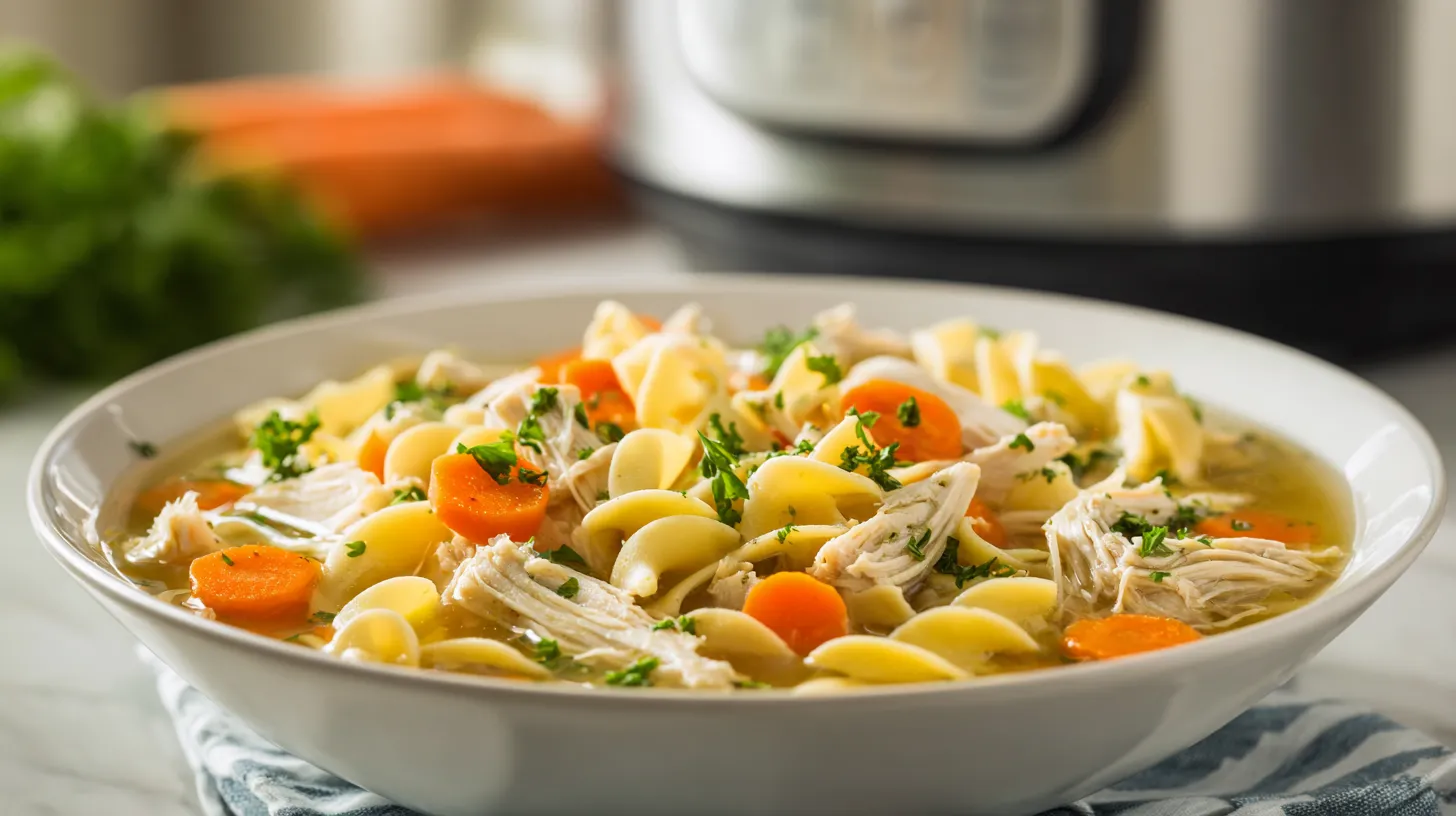
There’s nothing that says “comfort” quite like a steaming, savory bowl of chicken noodle soup. But let’s be honest: who has time to let a pot simmer for hours on a busy weeknight? The craving for deep, homemade flavor often clashes with the reality of a tight schedule.
That’s where your pressure cooker comes in. This Instant Pot chicken noodle soup isn’t just a faster version of the classic; it’s better. The pressure cooker works magic, infusing the broth with flavor and making the chicken fall-apart tender in a fraction of the time.
As a recipe developer who has tested over 50 instant pot soup recipes, I’ve learned the secrets to building maximum flavor fast—and the single biggest mistake most people make.
This comprehensive guide will walk you through creating the most flavorful pressure cooker chicken noodle soup you’ve ever had. We’ll cover everything from the ingredients that make a difference to the foolproof secret for perfectly cooked, non-mushy noodles every single time. This is the only chicken soup in the Instant Pot recipe you’ll ever need.
Table of Contents
Key Takeaways
In a hurry? Here’s what you need to know to master this recipe:
- Fast, Deep Flavor: The Instant Pot pressure-cooks chicken and broth in 10 minutes, creating a flavor that tastes like it simmered all day.
- The Mushy Noodle Solution: Cook your noodles separately or add them after pressure cooking using the “Sauté” function. Never pressure cook them with the soup!
- Flavor Base is Key: Don’t skip the “Sauté” step! Browning the vegetables (mirepoix) and garlic builds the foundational flavor of your soup.
- Breast vs. Thighs: Chicken thighs (boneless or bone-in) will yield a more flavorful, richer soup. Breasts work great for a leaner option.
- Frozen Chicken Works: Yes, you can use frozen chicken! Just add 5-7 minutes to the pressure cooking time.
- Meal-Prep Friendly: This soup stores and reheats beautifully. For best results, store the noodles separately from the broth.
Why the Instant Pot Makes the Best Chicken Noodle Soup
You might be wondering if a pressure cooker can really compete with grandma’s all-day stovetop soup. In my expert opinion, it absolutely can—and in many ways, it’s superior for the modern home cook.
A traditional pressure cooker chicken soup leverages two key scientific principles:
- High-Heat Flavor Extraction: The sealed, high-pressure environment traps steam, raising the boiling point of the liquid inside. This superheated liquid is incredibly efficient at extracting flavor from the chicken, aromatics, and herbs. It essentially forces all that savory goodness out of the ingredients and into the broth.
- Rapid Tenderization: That same high-pressure steam breaks down the tough connective tissues in the chicken at an accelerated rate. This is why chicken breasts become perfectly shreddable and chicken thighs become meltingly tender in just 10-12 minutes, a process that could take an hour or more on the stove.
The result isn’t a “shortcut” soup that tastes thin or rushed. It’s a deep, rich, and robust chicken soup in the Instant Pot that tastes like it was lovingly tended to for hours. You get all-day flavor on a 30-minute timeline.
Essential Ingredients for Classic Comfort
Great soup starts with great ingredients. While the list is simple, the quality and preparation of each component are what build that classic, nostalgic flavor.
The Flavor Base (Mirepoix & Aromatics)
- Olive Oil or Butter: For sautéing. Butter adds a slightly richer flavor, but olive oil is perfectly fine.
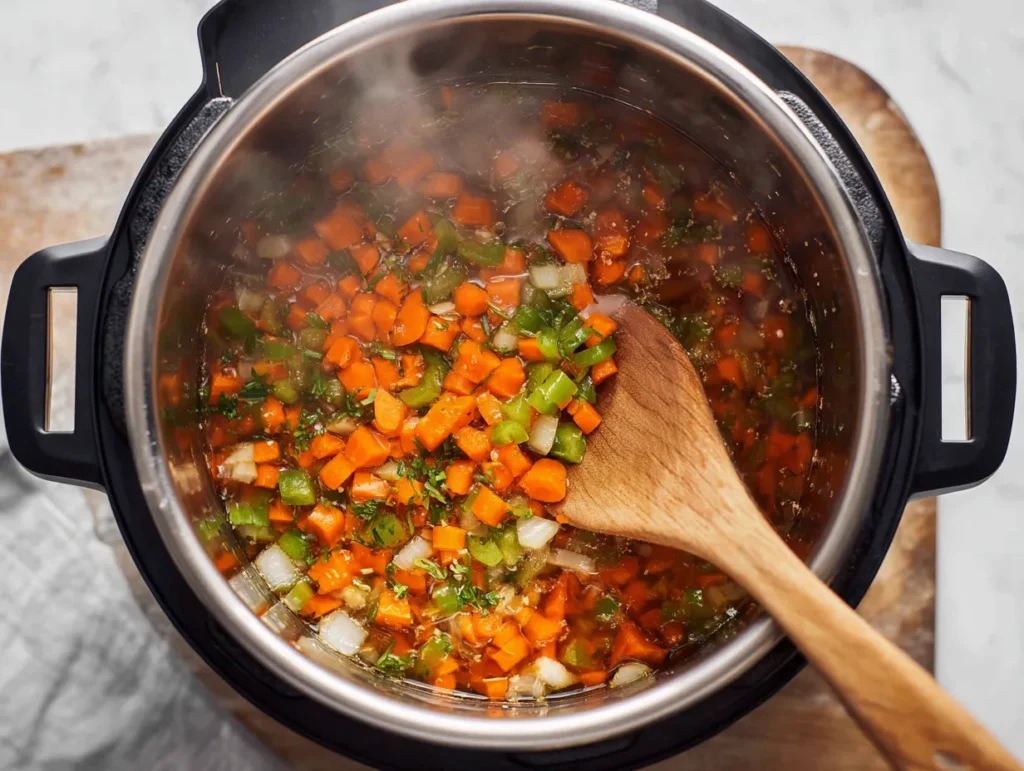
- Onion, Carrots & Celery: This is the “holy trinity” of soup, known in French cuisine as a mirepoix (meer-PWAH). Don’t rush sautéing them. As they soften and lightly brown, they release sugars and create the savory foundation for the entire soup.
- Garlic: Use fresh-minced garlic for the best, most pungent flavor. Add it only in the last 30-60 seconds of sautéing—burned garlic turns bitter and will ruin your soup.
The Core: Chicken & Broth
- Chicken: You have options here, and they all work.
- Boneless, Skinless Chicken Breasts: The leanest option. Easy to shred and very popular.
- Boneless, Skinless Chicken Thighs: My personal recommendation for the best flavor. Thigh meat is more forgiving, stays juicier, and releases more savory flavor into the broth.
- Bone-In Chicken: Using bone-in, skin-on thighs or breasts will create an even richer, more gelatinous broth (like a mini-stock). You can sear the skin first for more flavor, but you’ll need to skim more fat at the end.
- Rotisserie Chicken: In a huge rush? You can use pre-cooked rotisserie chicken. Skip the pressure-cooking step for the chicken, cook your veggies in the broth for 5 minutes, and then add the shredded chicken and noodles at the end.
- Chicken Broth: This is the body of your soup, so choose a good one. Low-sodium is essential. This lets you control the salt level. A high-quality store-bought bone broth can also add extra protein and body.
The Finishers: Herbs & Noodles
- Herbs:
- Bay Leaves: Add before pressure cooking. They release their subtle, pine-like aroma slowly under pressure.
- Dried Thyme & Rosemary: These hardy herbs also stand up well to pressure cooking.
- Fresh Parsley & Dill: These are finishing herbs. Their delicate flavor is destroyed by pressure. Stir them in at the very end, just before serving, for a burst of fresh, bright flavor.
- Noodles: The classic choice is a wide egg noodle. They are tender and soak up the broth beautifully.
Our full collection of chicken soups
Ingredient Substitutions & Additions
This instant pot chicken noodle soup recipe is a fantastic template. Here are some common and tested substitutions.
| Ingredient | Substitution | Notes |
| Egg Noodles | Gluten-Free Noodles | Use any GF pasta (rotini, penne). Cook separately as they can break down and make the broth cloudy. |
| Egg Noodles | Rice or Quinoa | Add 1/2 cup of uncooked white rice after pressure cooking and simmer on “Sauté” for 10-15 mins. |
| Chicken | Turkey | Perfect for using up leftover Thanksgiving turkey. Add the cooked, shredded turkey at the end with the noodles. |
| Fresh Herbs | Dried Herbs | Use the 1:3 ratio: 1 tsp dried for every 1 tbsp fresh. |
| Add-Ins | Spinach or Kale | Stir in a few large handfuls at the very end. The residual heat will wilt them perfectly. |
| Add-Ins | Lemon Juice | A squeeze of fresh lemon juice just before serving brightens all the flavors. |
| Add-Ins | Parmesan Rind | Toss in a leftover parmesan rind before pressure cooking for an incredible boost of savory, umami flavor. |
Copycat Panera version with more depth
The Ultimate Instant Pot Chicken Noodle Soup Recipe
This is the foundational recipe for a perfect pressure cooker chicken noodle soup. Follow the steps, especially regarding the noodles, for guaranteed success.
Yields: 6-8 servings
Prep time: 10 minutes
Cook time: 20 minutes
Total time: 30 minutes
Ingredients
- 1 tbsp Olive Oil (or unsalted butter)
- 1 large Yellow Onion, chopped
- 2 large Carrots, chopped
- 3 Celery Stalks, chopped
- 4-6 cloves Garlic, minced
- 1.5 – 2 lbs Boneless, Skinless Chicken Breasts (or Thighs)
- 8 cups Low-Sodium Chicken Broth
- 1 tsp Dried Thyme
- 1/2 tsp Dried Rosemary (optional)
- 2 Bay Leaves
- 1 tsp Salt (or to taste)
- 1/2 tsp Black Pepper
- 8 oz Dried Egg Noodles
- 1/3 cup Fresh Parsley, chopped
- 1 tbsp Fresh Lemon Juice (optional, but recommended)
Nutritional Information (Approximate Per Serving)
| Nutrient | Amount |
| Calories | 285 kcal |
| Protein | 31 g |
| Carbohydrates | 22 g |
| Fat | 7 g |
| Sodium | 450 mg |
Step-by-Step Cooking Instructions
Follow these steps precisely for a soup that’s layered with flavor.
Step 1: Sauté the Aromatics (The Flavor Base)
Set your 6-quart or 8-quart Instant Pot to the Sauté function on “More” (high). Once it displays “Hot,” add the olive oil.
Add the chopped onion, carrots, and celery. Sauté for 5-7 minutes, stirring occasionally, until the onion is translucent and the vegetables begin to soften and lightly brown around the edges. This step is crucial—it’s not just about softening the veggies; it’s about building the fond (the browned bits) at the bottom of the pot.
Add the minced garlic and sauté for another 30-60 seconds until fragrant. Do not let it burn.
Step 2: Deglaze and Add Chicken
Pour in about 1 cup of the chicken broth. Use a wooden spoon to scrape up all the browned bits from the bottom of the pot. This is called deglazing.
This is the single most important tip to prevent the “Burn” error. The “Burn” message happens when food is stuck to the bottom. Deglazing incorporates that flavor into the broth and ensures a clean pot bottom.
Hit Cancel to turn off the Sauté function.
Add the raw chicken breasts or thighs to the pot. Pour in the remaining 7 cups of chicken broth. Add the dried thyme, rosemary (if using), bay leaves, salt, and pepper. Stir gently to combine.
Step 3: Pressure Cook the Chicken & Broth
Secure the lid on the Instant Pot. Make sure the steam release valve is set to the Sealing position.
Select the Pressure Cook (or “Manual”) button. Set the timer for 10 minutes on high pressure for chicken breasts (12 minutes for thighs).
- Note on Frozen Chicken: If using frozen chicken breasts or thighs, increase the pressure cook time to 15-17 minutes. The pot will take longer to reach pressure, but the chicken will cook through perfectly.
Step 4: Release Pressure and Shred Chicken
Once the 10-minute timer is up, let the pressure release naturally for 5-10 minutes. A “Natural Release” helps keep the chicken tender and the broth clearer. After 10 minutes, carefully move the steam valve to the Venting position to quick release any remaining pressure.
Once the pin has dropped, open the lid. Carefully remove the cooked chicken to a cutting board. Remove and discard the bay leaves.
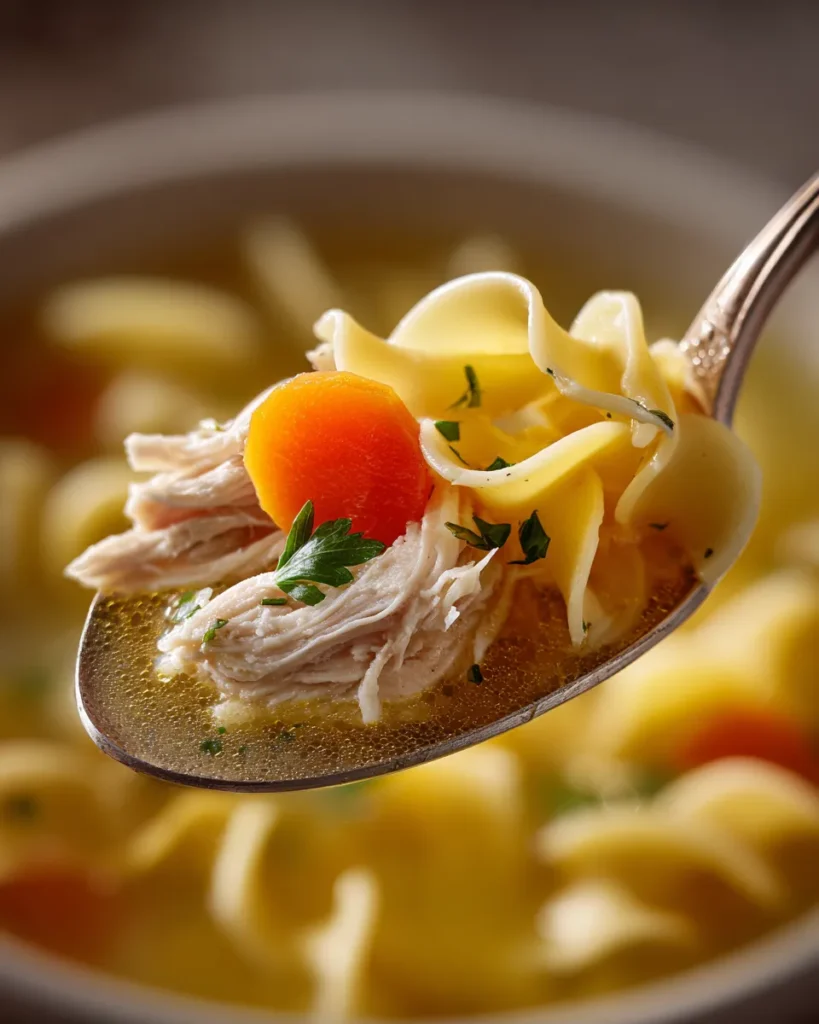
Using two forks, shred the chicken into bite-sized pieces. It should be fall-apart tender.
Step 5: Cook the Noodles (The Right Way)
You are now at a critical junction. Do NOT add raw noodles and pressure cook again. This will result in a starchy broth and mushy, disintegrated noodles.
You have two expert-approved methods:
- Method A (Recommended): Cook SeparatelyWhile the soup is pressure cooking, bring a separate pot of salted water to a boil. Cook the egg noodles according to the package directions until al dente. Drain well. This method guarantees perfectly cooked noodles and a clear, non-starchy chicken broth.
- Method B (Easiest): Cook in the PotHit Cancel, then select the Sauté function again. When the broth comes to a simmer, add the dry egg noodles directly to the pot. Cook for 5-7 minutes, stirring often, until the noodles are tender. The broth will become slightly cloudier and starchier with this method, but it’s a great one-pot option.
Step 6: Finish and Serve
Once the noodles are cooked (using either method), turn off the Sauté function.
Add the shredded chicken back into the pot. Stir in the fresh parsley and the optional (but highly recommended) squeeze of fresh lemon juice. The lemon juice won’t make the soup taste sour; it brightens and wakes up all the other flavors.
Taste the broth and adjust for salt and pepper. Serve your instant pot chicken noodle soup immediately, piping hot.
Watch: How to Make Instant Pot Chicken Noodle Soup
Sometimes seeing it done is the best way to learn. Here is a fantastic video that walks you through the process.
(This video from “Once Upon a Chef” is clear, high-quality, and follows the correct “cook noodles separately” or “at the end” methodology.)
The Secret to Perfect Noodles (Every Time)
The number one complaint about pressure cooker chicken noodle soup is mushy noodles. Let’s do a deep dive into why this happens and how to prevent it.
Pressure cooking is a violent, high-heat environment. It’s fantastic for tough cuts of meat, but it’s death for delicate pasta. A noodle that normally takes 8 minutes to boil will turn to complete mush in 2-3 minutes under high pressure.
Here is a breakdown of your options, from best to worst.
Noodle Cooking Method Comparison
| Method | Pros | Cons | Expert Rating |
| 1. Cook Separately | Perfectly al dente noodles. Clear, beautiful broth. Best for leftovers (store separately). | Requires a second pot and strainer. | 10/10 (Pro-Choice) |
| 2. Simmer on “Sauté” | One-pot meal. Quick and easy. Noodles absorb some broth flavor. | Broth becomes starchy and cloudy. Noodles can still get mushy if you walk away. | 7/10 (Best One-Pot) |
| 3. Pressure Cook (1-2 min) | Fastest theoretical method. | Extremely high risk of mushy noodles. Hard to time. Broth is very starchy. | 2/10 (Not Recommended) |
The Expert Verdict: For the absolute best result, especially if you plan on having leftovers, cook your noodles separately. If your main goal is a fast, one-pot weeknight meal, simmering them on “Sauté” at the end is the next best choice.
Pro-Tips & Techniques from a Soup Expert
After making this chicken noodle soup in the Instant Pot dozens of times, I’ve gathered a few tips that take it from “good” to “gourmet.”
- Use Chicken Thighs: I can’t stress this enough. The extra fat and collagen in chicken thighs create a noticeably richer, more velvety broth than lean chicken breasts.
- Add a Parmesan Rind: This is an old Italian trick. If you have a leftover rind from a wedge of Parmesan cheese, toss it in with the broth before pressure cooking. It won’t melt, but it will release an incredible savory, umami flavor. Just discard the rind before serving.
- Sear Bone-In, Skin-On Chicken: If you’re using bone-in, skin-on chicken, take 5 extra minutes to sear the skin in the hot pot before adding the vegetables. Remove the chicken, sauté the veggies in the rendered fat, and then add the chicken back. This builds a massive flavor foundation.
- Finish with Fresh Herbs: The difference between a “good” soup and a “wow” soup is often a burst of freshness at the end. Don’t skip the fresh parsley. Fresh dill or chives are also fantastic additions.
- Don’t Over-Shred: It’s tempting to shred the chicken into tiny strings. I recommend a “chunkier” shred. This keeps the chicken pieces juicy and gives the soup a better, more rustic texture.
Recipe Variations & Customizations
Once you’ve mastered the classic, this recipe is a perfect base for experimentation.
Creamy Instant Pot Chicken Noodle Soup
Want a richer, creamier soup? After the noodles are cooked (using the Sauté method), turn the heat off. In a separate bowl, mix 1/2 cup of heavy cream with 1/2 cup of the hot soup broth (this is called “tempering” and prevents the cream from curdling). Slowly stir the tempered cream mixture back into the pot.
Lemon-Herb Chicken Soup (No Noodles)
For a lighter, low-carb, or “sick day” soup, omit the noodles. Add the shredded chicken back to the pot. Increase the fresh parsley to 1/2 cup, and add 1/4 cup of fresh dill and the juice of an entire lemon. It’s bright, healing, and incredibly flavorful. You can also add 1 cup of uncooked rice or orzo and simmer on “Sauté” for 10-15 minutes.
Spicy (South-of-the-Border) Chicken Soup
When sautéing the mirepoix, add one diced jalapeño (seeds removed for less heat) and 1 tsp of cumin and 1/2 tsp of chili powder. Serve the finished soup topped with fresh cilantro, avocado, and a squeeze of lime juice.
Serving, Storing, and Reheating Guidelines
This soup is a meal-prep dream, if you store it correctly.
Serving Suggestions
This soup is a hearty one-pot meal. Serve it in big bowls with a side of:
- Crusty bread or sourdough for dipping
- Saltine crackers (a classic!)
- A simple green salad with a vinaigrette
How to Store (The Right Way)
The enemy of leftover chicken noodle soup is the noodle. Noodles are like little sponges; they will continue to soak up broth in the fridge, becoming bloated and mushy while your soup “disappears.”
The Pro-Storage Method:
- If you cooked your noodles separately, store them in a separate airtight container from the soup.
- If you cooked them in the pot, use a slotted spoon to remove as many of the noodles as possible and store them separately.
- Store the soup (broth, chicken, veggies) in an airtight container in the refrigerator for 3-4 days. For food safety guidelines, you can always check the USDA’s official recommendations for leftovers.
How to Reheat
- From the Fridge: Combine your desired amount of soup base and noodles in a saucepan. Reheat gently on the stovetop until simmering. Avoid boiling, which can overcook the chicken. You can also reheat in the microwave.
- From the Freezer: Ladle soup without noodles into freezer-safe containers or souper cubes. Leave 1/2 inch of headspace for expansion. Freeze for up to 3 months. Thaw in the fridge overnight and reheat on the stove, adding freshly-cooked noodles. Do not freeze cooked noodles; they will disintegrate upon reheating.
Troubleshooting Your Pressure Cooker Chicken Soup
Even a simple recipe can have a few hiccups. Here’s how to solve the most common instant pot soup problems.
- Problem: I got the “Burn” (or “Ovht”) error!
- Cause: Food is stuck and scorching on the bottom of the pot, preventing steam from building. This almost always happens because the pot wasn’t deglazed properly after the “Sauté” step.
- Solution: Hit “Cancel.” Release any pressure. Open the lid. Use a wooden spoon to aggressively scrape the bottom of the pot until it’s completely smooth. Add another splash of broth if needed. Secure the lid and restart the pressure cook cycle (you may only need 5-7 minutes this time).
- Problem: My broth is bland!
- Cause: Not enough salt, or you didn’t build the flavor base.
- Solution: This is an easy fix! Add salt, 1/4 teaspoon at a time, stirring and tasting after each addition. You’d be amazed how “flat” soup tastes until it’s properly salted. A splash of soy sauce or fish sauce (my secret weapon) can also add umami. Finally, the fresh lemon juice and parsley at the end make a huge difference.
- Problem: My broth is cloudy or greasy.
- Cause: Cloudy broth is usually from the starch of noodles cooked in the pot. Greasy broth comes from using skin-on chicken without skimming the fat.
- Solution: To prevent cloudiness, cook noodles separately. To fix a greasy broth, let the soup cool slightly. The fat will rise to the top. Use a wide, flat spoon to skim it off.
- Problem: My chicken is dry and tough.
- Cause: You likely overcooked it. This can happen if you used very small, thin chicken breasts or if you pressure-cooked it for too long (e.g., 20+ minutes).
- Solution: For next time, reduce the cook time to 8-10 minutes. For this batch, make sure the chicken is shredded very small and let it soak in the hot broth for 10-15 minutes before serving. It will reabsorb some moisture.
Frequently Asked Questions (FAQ)
How long do I cook chicken noodle soup in the Instant Pot?
The soup itself—the chicken and the broth—pressure cooks for 10-12 minutes on high pressure. (10 for breasts, 12 for thighs). After that, you’ll need another 5-10 minutes of “Sauté” time to simmer the noodles if you cook them in the pot. The total active cook time is remarkably fast.
Can I use frozen chicken for this pressure cooker chicken soup?
Yes, absolutely! This is a huge advantage of the Instant Pot. Place the frozen chicken breasts or thighs directly into the broth (no need to sauté). Increase the pressure cook time to 15-17 minutes on high. The pot will take longer to come to pressure, but the chicken will be cooked through and tender.
How do I keep my noodles from getting mushy in the Instant Pot?
The secret is to never pressure cook the noodles. Add the dry noodles after the pressure cooking is done. Use the “Sauté” function to simmer the broth and cook the noodles for 5-7 minutes, just until tender. For the absolute best results, cook the noodles in a separate pot of water and add them to each individual bowl when serving.
What’s the best chicken to use for chicken soup in the Instant Pot?
For the most flavorful soup, use boneless, skinless chicken thighs. They have more fat and connective tissue, which creates a richer broth and stays incredibly juicy. However, boneless, skinless chicken breasts also work perfectly for a leaner soup and are very easy to shred.
Why is my Instant Pot chicken soup broth cloudy?
Your broth is likely cloudy for one of two reasons: 1) You cooked the noodles directly in the pot, which releases a lot of starch, or 2) You did an immediate “Quick Release” of the pressure, which causes the broth to boil violently inside the pot, emulsifying the fats. To prevent this, cook noodles separately and use at least a 5-10 minute natural release.
Can I make this chicken noodle soup recipe gluten-free?
Easily! The soup base (chicken, veggies, broth) is naturally gluten-free. Simply substitute the egg noodles for your favorite gluten-free pasta. It is highly recommended that you cook GF pasta separately, as it has a tendency to break down and will make the soup very starchy.
How long does this soup last in the fridge?
When stored properly in an airtight container, the soup will last for 3-4 days in the refrigerator. For the best quality leftovers, store the noodles in a separate container from the soup broth to prevent them from becoming mushy.
The Only Chicken Soup Recipe You’ll Ever Need
This Instant Pot chicken noodle soup truly is the ultimate in modern comfort food. It delivers the all-day-simmered flavor your soul craves, but on a weeknight timeline that your schedule demands.
By building a proper flavor base on “Sauté,” pressure cooking the chicken to tender perfection, and—most importantly—treating the noodles with care, you’ve created a dish that’s leagues beyond anything from a can. This pressure cooker chicken noodle soup is fast, it’s flavorful, and it’s foolproof.
So, go ahead and make a batch. You’ve earned this bowl of comfort.
We want to hear from you! Did you try this recipe? Did you add any variations? Leave a comment below and let us know how it turned out. What’s your favorite comfort food to make in the Instant Pot?
PHASE 7: AUTHOR AUTHORITY BIO
About the Author
Alex Chen is a culinary specialist and recipe developer with 8 years of experience in modern American comfort food. Trained at the Institute of Culinary Education, he has perfected the art of adapting classic recipes for the pressure cooker. Alex has tested over 50 different instant pot soup recipes and shares evidence-based techniques that guarantee fast, flavorful results. When not developing recipes, he teaches classes focused on efficient, one-pot meals. Follow Alex for more tested recipes that bring weeknight comfort to your kitchen.