
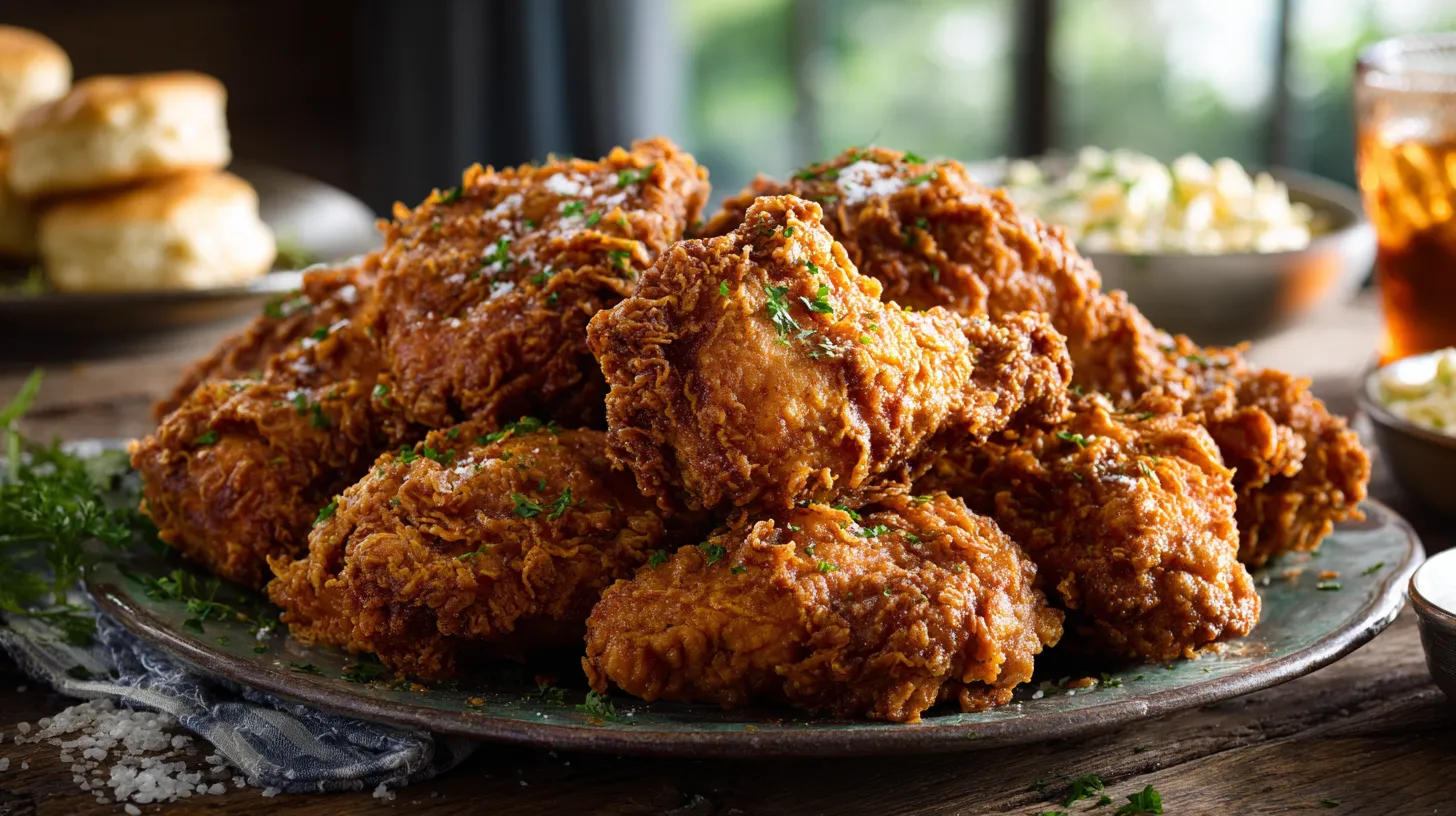
There is an undeniable, universal magic to a perfectly executed piece of fried poultry. The sound of crackling oil, the intoxicating aroma of seasoned flour hitting a hot cast-iron skillet, and the steam rising from a freshly cut piece make it the ultimate comfort food. Growing up, Sunday dinners were entirely centered around this ritual, and it remains one of my absolute favorite things to prepare for family cookouts. If you want to recreate that nostalgic magic in your own kitchen, having a reliable roster of fried chicken recipes is absolutely essential.
Table of Contents
Many home cooks are unnecessarily intimidated by a pot of hot oil, but mastering this technique simply requires understanding a few basic principles of temperature and timing. This comprehensive guide is going to serve as your definitive headquarters for all things battered, breaded, and fried. We are going to cover everything from classic, bone-in pan frying to copycat restaurant favorites, crispy wings, and even chicken fried steak.
Comforting chicken and gravy recipe
By the end of this guide, you will understand exactly how to manipulate oil temperatures, which cuts work best for different methods, and the science behind a buttermilk brine. Let me show you how to confidently conquer your fear of frying and produce the crispiest, juiciest poultry you have ever tasted.
Copycat Chick-fil-A waffle fries recipe
The History and Soul of Fried Chicken Recipes
Fried chicken in the United States represents a complex culinary collision of Scottish frying techniques and West African seasoning traditions. Before these methods merged in the American South, Scottish immigrants primarily pan-fried their chicken in fat without any heavy seasoning. Meanwhile, West African culinary traditions involved deep, complex spice rubs and cooking proteins in rich palm oil. Enslaved African Americans combined these approaches, applying their masterful knowledge of spices to the Scottish battering technique to create the Southern dish we recognize today.
Understanding this rich history is vital because it explains why properly seasoning both the meat and the flour is a non-negotiable step. For generations, this dish was incredibly labor-intensive, reserved exclusively for special occasions, Sunday church dinners, and major holidays. It required raising the bird, processing it, and standing over a hot wood stove to carefully monitor the rendered animal fat. If you want to explore the deeper historical timeline of this global phenomenon, I highly recommend reading about the fascinating origins of fried chicken.
Today, modern appliances and readily available ingredients have transformed this historic, celebratory meal into an accessible everyday comfort food. However, the foundational rules established centuries ago—seasoning generously, managing heat carefully, and respecting the ingredients—still apply in modern kitchens. Embracing these traditional roots is exactly how you transform a bland, greasy piece of meat into a spectacular culinary experience.
Essential Frying Techniques Every Home Cook Should Know
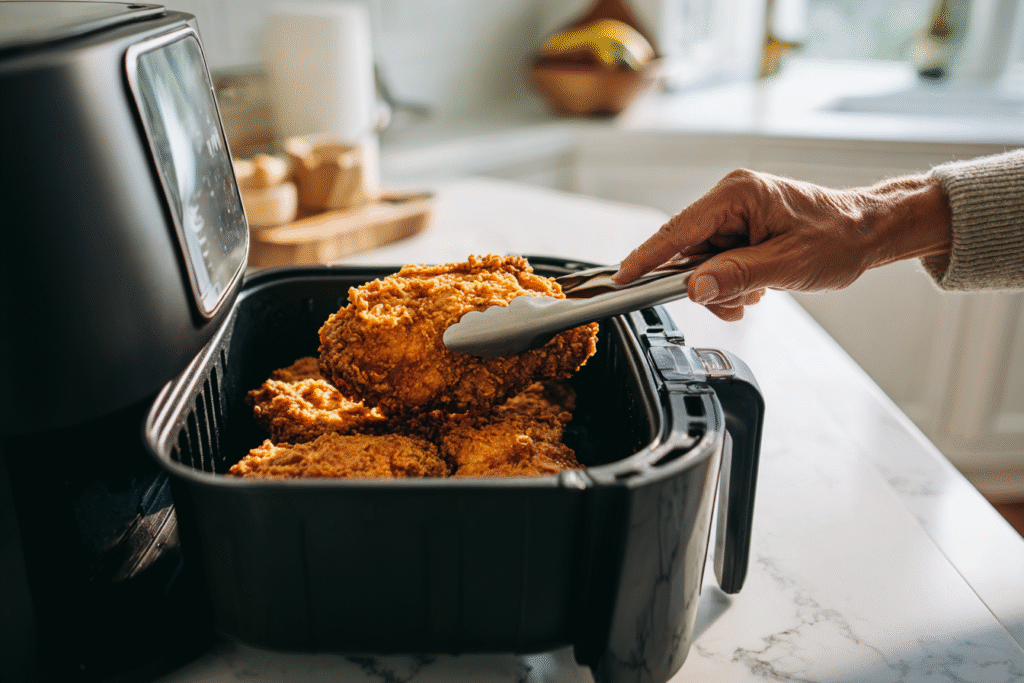
Learning how to fry chicken successfully requires mastering three primary methods: traditional pan-frying, deep-frying, and modern air-frying. Pan-frying utilizes a heavy cast-iron skillet filled with just enough oil to come halfway up the side of the meat. Deep-frying requires completely submerging the food in a large Dutch oven or dedicated countertop fryer, which produces an incredibly even, uniform crust. Air-frying uses rapid convection heat to simulate the texture of deep-frying with only a fraction of the oil, making it ideal for quick weeknight meals.
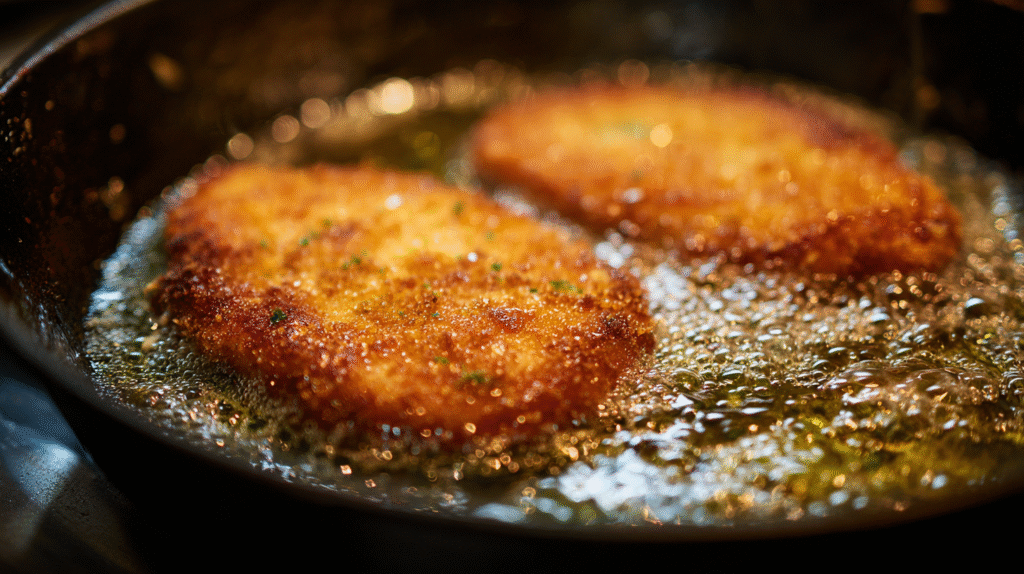
The absolute secret to success, regardless of the method, is precise oil temperature management. The sweet spot for raw, bone-in poultry is typically between 325°F and 350°F. If the oil is too hot, the exterior breading will burn to a bitter black before the interior meat cooks through to a safe temperature. Conversely, if the oil drops below 300°F, the breading acts like a sponge, absorbing excess grease and resulting in a heavy, soggy crust. You should always use a reliable deep-fry thermometer hooked to the side of your pot to monitor these fluctuations.
Flavor and moisture retention begin long before the meat ever touches the hot oil. Submerging your cuts in a seasoned buttermilk marinade for at least four hours introduces gentle lactic acid, which breaks down tough muscle fibers. This tenderizing process also acts as a binding agent, helping the seasoned flour adhere tightly to the skin so it doesn’t fall off in the pan. Before you begin setting up your fry station, please review the USDA deep fat frying safety guidelines to ensure your kitchen setup is secure.
Classic Fried Chicken — The Foundation Recipe
A true Southern fried chicken recipe is the foundational starting point for anyone wanting to learn the art of hot oil cooking. This classic preparation relies on simple, accessible ingredients: a whole bird cut into eight pieces, an overnight buttermilk soak, and a heavily seasoned flour dredge. The magic happens when the cold, wet chicken hits the seasoned flour, creating thick, shaggy clumps that fry up into aggressively crunchy ridges.
I always recommend pan-frying for beginners because it requires significantly less oil and allows you to closely monitor the browning process on one side at a time. A heavy cast-iron skillet provides the necessary heat retention to keep your oil temperature stable when the cold meat lowers the ambient heat. The process is remarkably straightforward, requiring only a little patience to let the crust set before flipping the pieces with a pair of long tongs.
If you have never attempted this at home, you should not be intimidated by the process. Start with my comprehensive, step-by-step [easy fried chicken recipe for beginners], which breaks down the entire process from the grocery store to the dinner table. Once you master this basic technique, every single homemade fried chicken variation becomes incredibly easy to execute.
Crispy Fried Chicken Wings
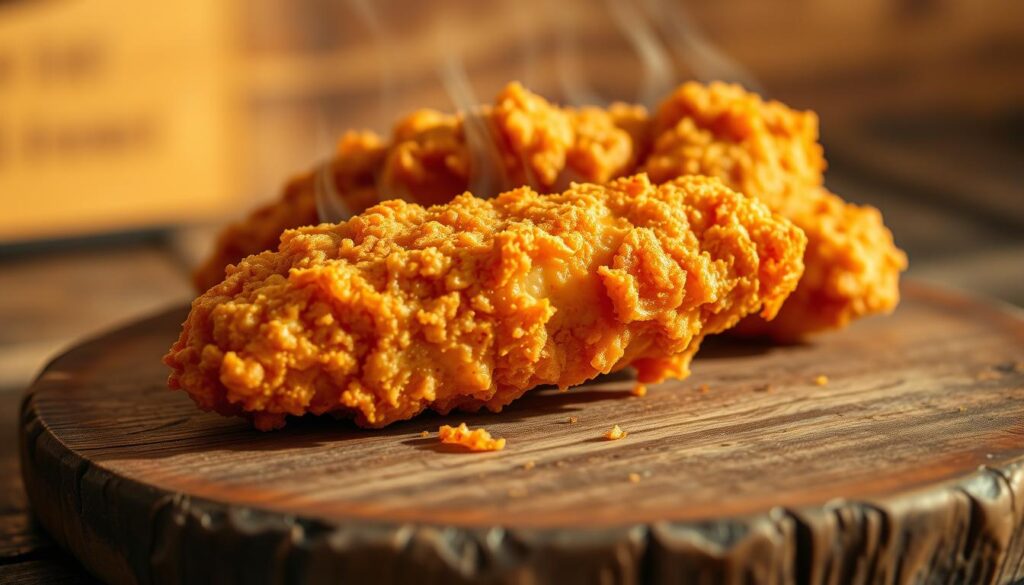
Wings are an entirely unique category of frying because their high skin-to-meat ratio allows them to achieve an unparalleled level of crunch. The high heat of the oil rapidly renders the fat directly under the skin, leaving behind a shatteringly crisp exterior that perfectly grips wet sauces or dry rubs. Because they are so small, you can fry them at a slightly higher temperature—around 375°F—without worrying about the inside remaining raw.
Whether you are hosting a massive Super Bowl party or just want to [celebrate National Chicken Wing Day] in style, mastering the deep-fried wing is essential. You can pull them hot from the oil and instantly toss them in a classic, buttery buffalo sauce, a sticky honey garlic glaze, or a zesty lemon pepper dry rub. To learn my exact method for bar-quality appetizers, dive into my ultimate [crispy fried chicken wings recipe].
Of course, not every home cook wants to deal with a pot of hot oil on a casual weekend afternoon. If you prefer to avoid the extra calories or the cleanup associated with deep-frying, you can still achieve a fantastic crunch in your oven. For those days when you want a completely hands-off approach, try my [healthier option: crispy oven-baked chicken wings] to satisfy your cravings.
Chicken Cutlets & Chicken Fried Steak
Quick and Easy Chicken Cutlets
When you need to get a hearty, comforting dinner on the table in under thirty minutes, breaded cutlets are the ultimate solution. This technique involves taking a boneless breast, pounding it to an even, thin half-inch thickness, and running it through a standard flour-egg-breadcrumb station. Because the meat is so thin, it pan-fries in less than four minutes per side, resulting in a perfectly golden crust and incredibly juicy interior. For a weeknight lifesaver that kids adore, bookmark my go-to [breaded chicken cutlet recipe].
The Classic Chicken Fried Steak
Despite the confusing name, chicken fried steak does not actually contain any poultry whatsoever. This iconic Southern diner staple is made by taking a cheap, tough cut of beef—usually cubed steak—and preparing it using the exact same battering and frying techniques used for fried chicken. The beef is aggressively tenderized, dredged in seasoned flour, pan-fried until deeply browned, and traditionally smothered in a rich, peppery white cream gravy. If you want to experience this ultimate comfort food crossover, you need to make my [classic chicken fried steak recipe].
Bourbon Chicken
Bourbon chicken is a legendary mall food court staple that represents a brilliant intersection of Southern frying techniques and sticky, sweet Asian-inspired sauces. The dish typically consists of bite-sized chunks of dark meat that are either lightly battered and fried or aggressively seared in a hot wok. The crispy meat is then completely coated in a thick, caramelized glaze made from soy sauce, brown sugar, ginger, and a splash of real bourbon.
Making this dish at home allows you to control the quality of the meat and the sweetness of the sauce, resulting in a meal that far surpasses standard takeout. The secret is ensuring your fried nuggets are extra crispy so they maintain their crunch even after being enveloped in the sticky glaze. To recreate this nostalgic mall classic in your own kitchen, follow my heavily tested [sticky bourbon chicken recipe].
Once you see how easy it is to coat crispy fried protein in a sweet and savory glaze, a whole new world of weeknight dinners opens up. You can easily adapt this method for dishes like General Tso’s or sweet and sour variations using pantry staples. If you are looking to expand your culinary horizons even further, I highly recommend you [explore more Asian-inspired chicken recipes] in our dedicated flavor guide.
KFC Copycat Chicken Pot Pie
Taking the iconic flavors of a fast-food giant and translating them into a homemade format is one of the most rewarding culinary projects you can undertake. While KFC is famous for their buckets of crispy chicken, their creamy, savory pot pie has a massive, dedicated cult following. The secret to recreating this dish lies in using the exact same flavor philosophy that makes their fried coating so addictive: a heavy hand with savory herbs, black pepper, and rich, deep chicken stock.
This recipe uses shredded, cooked poultry suspended in a velvety sauce of peas, carrots, and potatoes, all topped with an impossibly flaky, buttery pastry crust. It is the perfect way to use up leftover fried or roasted meat while satisfying that specific fast-food craving without leaving your house. It delivers all the nostalgic comfort of the drive-thru but with significantly higher-quality ingredients.
I spent months tweaking the specific herb blend and gravy consistency to perfectly match the original restaurant version. The result is a bubbling, golden-brown masterpiece that will completely ruin the frozen aisle versions for you forever. To bring this ultimate comfort food crossover to your dinner table tonight, grab my [copycat KFC chicken pot pie recipe].
How to Reheat Fried Chicken Without Losing the Crunch
Reheating fried chicken correctly is crucial, as the wrong method will instantly turn your glorious, crispy crust into a soggy, rubbery disappointment. The absolute best way to revive day-old pieces is to place them on a wire rack set inside a baking sheet and bake them in a 375°F oven for about 15 minutes. The wire rack ensures hot air circulates underneath the meat, re-crisping the bottom while the ambient heat warms the interior without drying it out.
The air fryer is a fantastic, quicker alternative for smaller batches, usually taking only 5 to 7 minutes at 350°F to restore that perfect exterior snap. You must absolutely avoid the microwave under all circumstances; microwaves heat food by vibrating water molecules, which turns the crispy crust into a steaming, soggy mess. For a complete breakdown of temperatures, timings, and troubleshooting, read my detailed guide on [how to reheat fried chicken and keep it crispy].
Knowing how to handle leftovers also requires a firm grasp on food safety and proper refrigeration timelines. Always store your cooled, leftover pieces in an airtight container lined with a paper towel to absorb excess moisture in the fridge. To ensure you are consuming your leftovers within a safe window, always reference my safety guide detailing [how long cooked chicken lasts in the fridge].
Oil Temperature & Safety Tips for Frying at Home
Frying at home is incredibly safe when you respect the oil and follow a few non-negotiable kitchen rules. First, you must select a cooking oil with a high smoke point, such as peanut oil, canola oil, or vegetable oil, to prevent the fat from burning and creating toxic smoke. You should never fill your frying vessel more than halfway to the top, as the cold meat will cause the bubbling oil to rise significantly, creating a massive spillover hazard.
You must always keep a properly rated kitchen fire extinguisher easily accessible, and absolutely never throw water on a grease fire. Water instantly vaporizes in hot oil, causing a violent explosion that will spread the fire across your entire kitchen; if a fire starts, turn off the heat and smother it with a metal lid or a heavy pour of baking soda. Once your cooking is complete, allow the oil to cool completely overnight before straining it for reuse or disposing of it safely in a sealed container in the trash.
Finally, never judge the doneness of your meat solely by the color of the crust. A piece of chicken can look beautifully golden brown on the outside while remaining dangerously raw and cold near the bone. Always use a digital meat thermometer to verify the thickest part of the meat has reached 165°F. For complete confidence in your kitchen, please bookmark and review the [USDA safe minimum internal temperature chart].
Frequently Asked Questions
What oil is best for frying chicken?
The best oil for frying chicken is one with a high smoke point and a neutral flavor, such as peanut oil, canola oil, or standard vegetable oil. These oils can easily withstand temperatures up to 400°F without breaking down, smoking, or imparting a burnt, bitter taste to your carefully seasoned breading.
How long does it take to fry chicken?
Bone-in chicken pieces generally take between 12 and 18 minutes to fry completely at an oil temperature of 325°F to 350°F. Dark meat like thighs and drumsticks will take closer to 15–18 minutes, while leaner breast quarters usually finish in 12–14 minutes. Boneless cutlets or tenders will cook much faster, typically in just 5–8 minutes.
What temperature should the oil be for fried chicken?
The optimal oil temperature for frying bone-in chicken is 325°F to 350°F. If the oil drops below 300°F, the breading will absorb excess grease and become incredibly heavy and soggy. If the oil exceeds 375°F, the exterior crust will burn to a dark brown before the raw meat inside has a chance to cook through.
Can you fry chicken without flour?
Yes, you can fry chicken without traditional wheat flour by using alternatives like cornstarch, potato starch, or gluten-free flour blends. Cornstarch actually produces a lighter, significantly crispier crust than standard all-purpose flour and is a staple in many Asian-inspired frying techniques. You can also fry chicken completely “naked” without any breading for a low-carb option.
How do you keep fried chicken crispy?
To ensure your crispy fried chicken recipe stays crunchy after cooking, you must immediately transfer the finished pieces to a wire cooling rack set over a baking sheet. Placing hot fried food directly on paper towels or a flat plate traps the escaping steam underneath the meat, which instantly turns the bottom crust soggy and mushy.
Conclusion
Mastering the art of frying is one of the most rewarding culinary skills you can possibly develop as a home cook. From the initial buttermilk soak to hearing that satisfying sizzle as the flour hits the hot cast iron, making these meals from scratch is a labor of love that yields spectacular results. Whether you are craving the nostalgic comfort of a classic Southern platter, sticky bourbon bites, or a flaky KFC copycat pot pie, you now have the knowledge to execute them flawlessly. Every single technique we discussed today has a dedicated, step-by-step recipe waiting for you. I encourage you to bookmark this guide, heat up your skillet, and start exploring the incredible world of homemade fried chicken!