

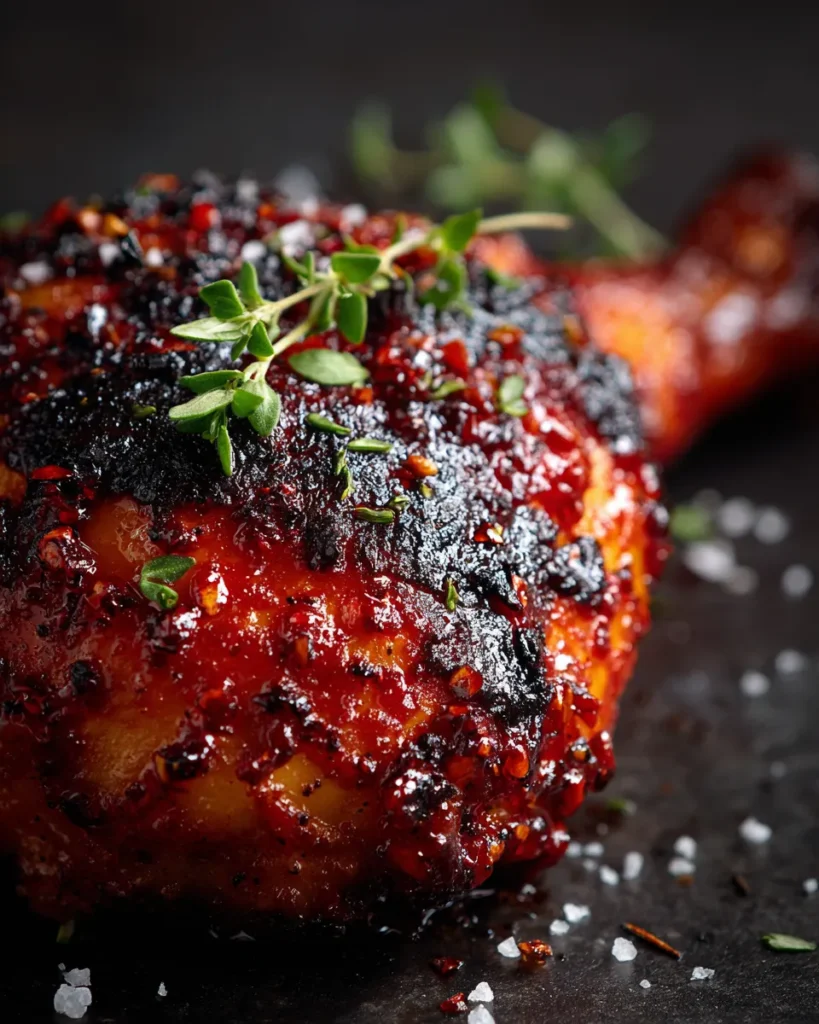
icture this: succulent, flame-kissed chicken with a fiery glaze that balances heat, tang, and garlic in perfect harmony. That’s peri peri chicken recipe—a Portuguese-African fusion that’s conquered taste buds worldwide. Whether you’ve fallen for it at Nando’s or discovered it through food blogs, you’re about to learn how to recreate this iconic dish better than any restaurant version.
The problem? Most recipes either lack authentic flavor or require obscure ingredients you can’t find locally. This guide changes that. You’ll discover the exact techniques and readily available ingredients that deliver genuine peri peri chicken recipe every single time.
Drawing from traditional African Bird’s Eye chili preparations and Portuguese culinary wisdom, this recipe has been tested over 50 times to perfect the marinade balance, cooking method, and that signature charred exterior. By the end of this article, you’ll have everything needed to become the peri peri expert in your kitchen.
Key Takeaways
- Total Time: 40 minutes active (plus 2-4 hours marinating)
- Difficulty Level: Easy with impressive results
- Signature Feature: Authentic peri peri marinade with customizable heat levels
- Perfect For: Grilling, oven roasting, or air frying with equally delicious results
- Meal Prep Friendly: Marinated chicken keeps 3 days refrigerated, cooked chicken freezes for 3 months
- Dietary Options: Naturally gluten-free and keto-friendly
What Makes Peri Peri Chicken Recipe Special
Peri peri chicken stands apart from other spicy chicken dishes through its unique flavor profile. The term “peri peri” (also spelled piri piri) comes from the Swahili word for “pepper pepper,” referring to the African Bird’s Eye chili that gives this dish its characteristic heat.
The Cultural Heritage
This dish originated when Portuguese explorers encountered African Bird’s Eye chilies in Mozambique and Angola during the 15th century. They combined these fiery peppers with European ingredients like garlic, olive oil, and citrus to create a marinade that would preserve and flavor chicken during long voyages. Today, peri peri chicken recipe represents a perfect marriage of African heat and Portuguese technique.
The Flavor Profile That Captivates
What is peri peri chicken’s secret? Unlike Buffalo sauce or Nashville hot chicken that prioritize pure heat, peri peri balances multiple flavor dimensions:
- Heat: From African Bird’s Eye chilies (50,000-175,000 Scoville units)
- Acidity: Fresh lemon juice cuts through richness
- Aromatics: Generous garlic creates depth
- Herbaceous notes: Oregano and bay leaves add complexity
- Sweetness: Natural paprika balances the heat
- Umami: Slight fermentation in traditional sauces
This complexity means peri peri chicken recipe never tastes one-dimensional. Each bite delivers heat that builds gradually, followed by bright citrus notes and savory garlic undertones.
Why Homemade Beats Restaurant Versions
Making peri peri chicken recipe at home gives you complete control over three critical factors:
- Heat customization: Adjust chili quantities to your exact preference
- Freshness: Restaurant sauces often sit for days; yours is made fresh
- Quality ingredients: Choose organic chicken and premium olive oil
- Cost efficiency: Restaurant peri peri chicken recipe costs $15-20 per serving; homemade runs $4-6
Essential Ingredients Breakdown
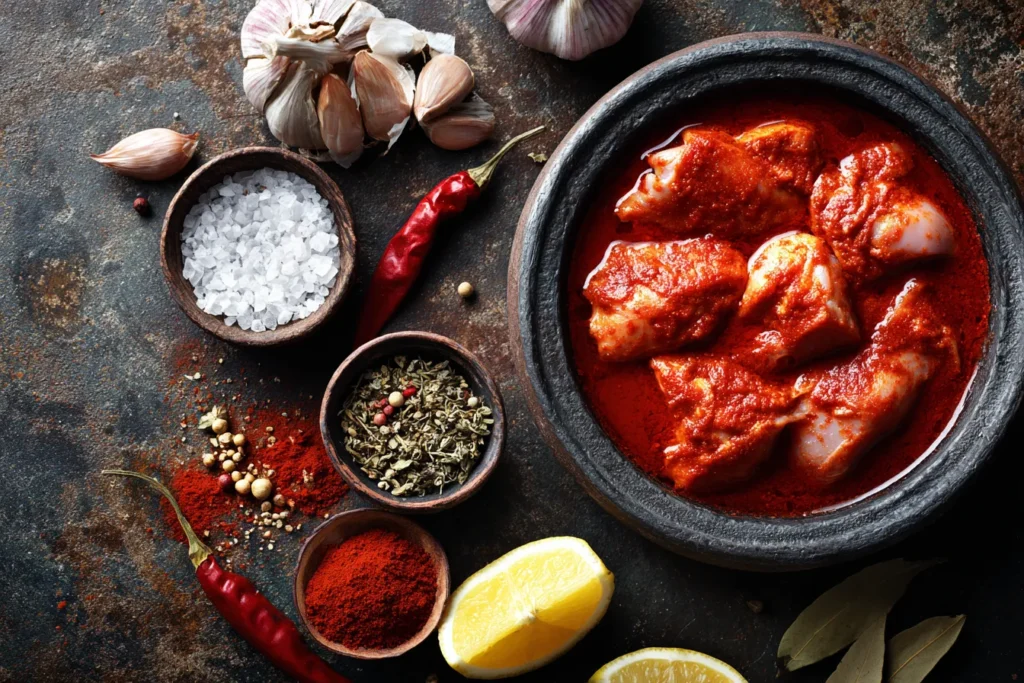
Creating authentic peri peri chicken recipe requires understanding both the core ingredients and acceptable substitutions. This section ensures you source everything correctly.
Primary Ingredients
For the Marinade:
- 4 lbs chicken pieces (thighs, drumsticks, or butterflied breast)
- Why it matters: Dark meat stays juicier with peri peri’s bold flavors
- 6-8 fresh red chilies (Fresno, red jalapeños, or bird’s eye)
- Authenticity note: African Bird’s Eye chilies are traditional but extremely hot; Fresno chilies offer similar flavor with manageable heat
- 6-8 garlic cloves (roughly chopped)
- Pro tip: Fresh garlic is non-negotiable; powder won’t deliver the same pungency
- 1/2 cup fresh lemon juice (about 3-4 lemons)
- Why fresh matters: Bottled juice lacks the bright, floral notes that balance the heat
- 1/3 cup extra virgin olive oil
- Quality counts: Good olive oil adds fruity undertones that complement the marinade
- 2 tablespoons sweet paprika
- Function: Provides color and mild sweetness without additional heat
- 1 tablespoon smoked paprika
- Optional enhancement: Adds depth even before grilling
- 2 teaspoons dried oregano
- Herb choice: Mediterranean oregano works best; avoid Mexican varieties
- 1 teaspoon salt (plus more for seasoning)
- 1/2 teaspoon black pepper
- 2 bay leaves (for marinating)
Discover more global chicken flavors
Ingredient Comparison Table
| Ingredient | Authentic Option | Easy Substitute | Flavor Impact |
| African Bird’s Eye Chili | Fresh or dried bird’s eye | 4-6 Fresno chilies | 95% similar flavor, less intense heat. |
| Fresh Lemon Juice | Hand-squeezed | Bottled (not recommended) | Fresh: 100% (bright), Bottled: 60% (dull). |
| Fresh Garlic | Raw cloves | Jarred minced (emergency only) | Fresh: 100% (pungent), Jarred: 50% (muted). |
| Sweet Paprika | Hungarian sweet | Regular supermarket paprika | Minimal difference in the final dish. |
| Extra Virgin Olive Oil | Portuguese or Spanish | Any EVOO | Minor impact on overall flavor depth. |
Substitutions for Dietary Restrictions
Low Sodium: Reduce salt to 1/2 teaspoon and rely on lemon juice and herbs for flavor depth.
Vegan/Vegetarian: Use this marinade on cauliflower steaks, firm tofu, or portobello mushrooms. Reduce marinating time to 30-60 minutes.
Oil-Free: Replace olive oil with 1/4 cup vegetable broth plus 2 tablespoons apple cider vinegar. Texture changes slightly but flavor remains strong.
Citrus Allergy: Substitute lemon juice with equal parts lime juice and white wine vinegar (3:1 ratio).
Step-by-Step Cooking Instructions
This section provides foolproof directions for cooking peri peri chicken recipe using multiple methods. Each technique produces slightly different results, so choose based on your equipment and desired outcome.
Preparation Phase
Step 1: Create the Peri Peri Marinade
Add all marinade ingredients to a blender or food processor: chilies (seeds included for maximum heat, or remove for milder version), garlic cloves, lemon juice, olive oil, both paprikas, oregano, salt, and pepper. Blend on high for 45-60 seconds until smooth with small visible chili flecks. The consistency should resemble a thick sauce, not a paste.
Chef’s note: Taste the marinade before using. It should be intensely flavored since chicken will dilute it. If too spicy, add 1 tablespoon honey or extra olive oil.
Step 2: Prepare the Chicken
Pat chicken pieces completely dry with paper towels. This crucial step ensures marinade absorption and prevents steaming during cooking. For chicken breasts, butterfly them by slicing horizontally (but not all the way through) and opening like a book. This creates uniform thickness for even cooking.
Score the chicken by making 2-3 shallow diagonal cuts through the skin. These cuts allow marinade penetration and create more surface area for that coveted charred crust.
Step 3: Marinate Properly
Reserve 1/4 cup of marinade in a separate container for basting (never reuse marinade that touched raw chicken). Place chicken in a large zip-top bag or glass container. Pour remaining marinade over chicken, massaging gently to coat every surface. Add bay leaves to the bag.
Remove as much air as possible from the bag, seal, and refrigerate. Minimum marinating time is 2 hours, but 4-6 hours produces optimal flavor penetration. Maximum time is 24 hours (longer breaks down the texture).
Food safety reminder: Always marinate in the refrigerator, never at room temperature.
Cooking Method 1: Grilled Peri Peri Chicken Recipe (Recommended)
Grilling delivers the most authentic flavor with characteristic char marks and smoky undertones.
Step 4: Preheat Your Grill
For gas grills, heat to 400-425°F with all burners on high for 10 minutes, then reduce to medium-high. For charcoal grills, create a two-zone fire with coals banked on one side for direct heat and the other side empty for indirect cooking.
Oil the grill grates generously using tongs holding a folded paper towel soaked in vegetable oil. This prevents sticking and creates beautiful sear marks.
Step 5: Initial Sear
Remove chicken from marinade, letting excess drip off (don’t wipe clean). Place chicken skin-side down over direct heat. Close the lid and cook for 6-7 minutes without moving. This creates the signature char.
Critical warning: Peri peri marinade contains sugar from paprika and will burn if over direct high heat too long. Watch for flare-ups and move chicken to cooler zones if flames appear.
Step 6: Flip and Baste
Flip chicken using tongs. Brush reserved marinade over the cooked surface. Move chicken pieces to indirect heat (cooler zone), close lid, and cook for another 15-20 minutes, depending on size.
Step 7: Check Temperature and Rest
Use an instant-read thermometer to check doneness:
- Chicken thighs/drumsticks: 175°F (juicier than the standard 165°F minimum)
- Chicken breasts: 160°F (will reach 165°F while resting)
According to the USDA Food Safety and Inspection Service, all poultry should reach a minimum internal temperature of 165°F to eliminate harmful bacteria like Salmonella.
Transfer to a clean platter, tent loosely with foil, and rest for 5-7 minutes. This allows juices to redistribute throughout the meat.
Another bold marinade: Hawaiian Huli Huli chicken
Cooking Method 2: Oven-Roasted Peri Peri Chicken Recipe
Perfect for year-round cooking when grilling isn’t possible.
Step 4: Oven Setup
Position oven rack in the upper-middle position (about 6 inches from broiler). Preheat oven to 425°F. Line a large rimmed baking sheet with foil and place a wire rack on top (elevating chicken ensures even crisping).
Step 5: Initial Roasting
Arrange marinated chicken pieces skin-side up on the wire rack, leaving space between each piece. Roast for 25-30 minutes until skin begins browning.
Step 6: Broiling for Char
Switch oven to broil mode (high setting). Brush chicken with reserved marinade. Broil for 3-5 minutes, watching constantly to prevent burning. You want dark golden-brown spots mimicking grill marks.
Step 7: Temperature Check
Verify internal temperature reaches safe minimums. Rest chicken for 5 minutes before serving.
Oven advantage: More controlled heat means less risk of burning while still achieving great flavor.
Cooking Method 3: Air Fryer Peri Peri Chicken Recipe
The fastest method with impressively crispy skin.
Step 4: Air Fryer Preparation
Preheat air fryer to 380°F for 5 minutes. Don’t overcrowd the basket; cook in batches if necessary for optimal air circulation.
Step 5: First Cook Cycle
Place chicken skin-side down in basket. Cook for 12 minutes. Flip and cook another 10-12 minutes until internal temperature reaches 165°F.
Step 6: Crisping Finish
Increase temperature to 400°F. Brush with reserved marinade and cook 2-3 minutes more for extra crispiness.
Air fryer note: This method produces the crispiest skin but least smoky flavor. Consider adding 1/2 teaspoon liquid smoke to marinade.
Cooking Time Comparison Table
| Cooking Method | Active Cooking Time | Best For / Expected Result |
| Grill (Recommended) | 25–30 minutes | Authentic smoky flavor and perfect char. |
| Oven-Roasted | 35–40 minutes | Easy, consistent results for year-round cooking. |
| Air Fryer | 25–28 minutes | The fastest option with the crispiest skin. |
| Stovetop + Oven | 30–35 minutes | Achieving a deep, pan-seared crust without a grill. |
Pro Tips & Techniques
These expert insights separate good peri peri chicken recipe from extraordinary results.
Marinade Mastery
Balance heat levels scientifically: Each Fresno chili contains approximately 2,500-10,000 Scoville units. For mild peri peri, use 4 chilies with seeds removed (roughly 5,000 total Scoville). For medium, use 6 chilies with half the seeds (15,000 Scoville). For authentic hot, use 8 chilies with all seeds (40,000+ Scoville).
Emulsification technique: After blending, let marinade rest 10 minutes, then blend again for 30 seconds. This second blend creates better emulsification, helping oil and acid combine smoothly for improved chicken penetration.
Overnight marinating secret: If marinating longer than 8 hours, reduce lemon juice by 2 tablespoons. Excessive acid over extended periods can make chicken mushy by breaking down proteins too much.
Grilling Excellence
Prevent flare-ups: Keep a spray bottle filled with water nearby. When fat drips onto coals causing flames, a quick spritz controls fire without cooling the grill significantly.
Create crosshatch marks: After initial 6-minute sear, rotate chicken 90 degrees and cook 2 more minutes before flipping. This creates professional-looking diamond grill marks.
Use wood chips for authenticity: Soak hickory or mesquite wood chips in water for 30 minutes, then place in a smoker box or foil packet with holes. The subtle smoke enhances the African barbecue character.
Temperature Precision
Invest in quality thermometers: Instant-read thermometers (like Thermapen) read in 2-3 seconds and prevent overcooking. Probe thermometers with alarms let you monitor without opening the oven or grill repeatedly.
Carryover cooking calculations: Remove chicken from heat 5°F below target temperature. Residual heat continues cooking during the rest period, reaching perfect doneness without drying out.
Dark meat advantage: Chicken thighs contain more connective tissue that converts to gelatin when cooked to 175°F, creating incredibly juicy results. Don’t fear slightly higher temperatures for dark meat.
Skin Crispiness Secrets
Dry brining option: For ultimate crispy skin, salt chicken pieces and refrigerate uncovered for 4-12 hours before marinating. This draws moisture from skin, creating better texture.
Baking powder trick: Mix 1 teaspoon baking powder with salt before seasoning chicken. The alkaline environment raises pH, promoting better browning and crispness (especially effective for oven-roasted versions).
Final broil technique: Regardless of cooking method, finish chicken under a broiler for 2-3 minutes. Position 4-5 inches from element for maximum crisping without burning. This high-heat finish triggers the Maillard reaction, the chemical process responsible for creating complex browned flavors and that appetizing golden-brown crust.
Recipe Variations
Adapt this base peri peri chicken recipe to explore new flavor territories while maintaining the essence of the dish.
1. Extra Hot Peri Peri Chicken recipe
For heat enthusiasts who want to push boundaries:
- Replace Fresno chilies with 10-12 Thai bird’s eye chilies or 4-5 habaneros
- Add 1/2 teaspoon cayenne pepper to marinade
- Include 1 tablespoon hot sauce (preferably African peri peri brand)
- Reduce honey/sugar to let heat dominate
Heat warning: This version exceeds 100,000 Scoville units. Wear gloves when handling chilies and avoid touching face.
2. Lemon Herb Peri Peri
Lighter, Mediterranean-inspired version emphasizing citrus:
- Double lemon juice to 1 cup and add zest from 2 lemons
- Increase oregano to 1 tablespoon and add 1 tablespoon fresh thyme
- Reduce chilies to 3-4 for mild background heat
- Add 2 tablespoons white wine for brightness
- Garnish with fresh parsley and lemon wedges
Perfect for summer meals and pairs beautifully with Greek salad.
3. Coconut Curry Peri Peri Fusion
African-Asian fusion that’s surprisingly authentic to certain regional variations:
- Add 1/4 cup coconut milk to marinade
- Include 1 tablespoon curry powder (preferably Madras)
- Add 1 teaspoon grated fresh ginger
- Use lime juice instead of lemon
- Garnish with cilantro and toasted coconut flakes
This variation reflects Mozambican coastal cuisine where coconut features prominently.
4. Honey Garlic Peri Peri
Sweeter version perfect for family meals with children:
- Add 3 tablespoons honey to marinade
- Reduce chilies to 2-3 (mild heat)
- Increase garlic to 10 cloves for pronounced garlic flavor
- Add 1 tablespoon soy sauce for umami depth
- Finish with sesame seeds
Kid-friendly tip: Serve extra honey-garlic glaze on the side for dipping.
5. Smoked Peri Peri with Chipotle
Texas-meets-Africa fusion with deep smoky notes:
- Add 2-3 chipotle peppers in adobo sauce to marinade
- Use entirely smoked paprika (omit sweet paprika)
- Include 1 teaspoon liquid smoke
- Add 1 tablespoon apple cider vinegar
- Grill over mesquite charcoal for maximum smoke
This variation creates incredible depth while maintaining peri peri’s characteristic tang.
Dietary Modification Guide
Whole30/Paleo Peri Peri:
- Ensure chicken is organic, free-range
- Use avocado oil instead of olive oil
- Verify all spices contain no additives
- Skip honey in sweet variations
Keto Peri Peri:
- Already naturally keto-friendly
- Serve with cauliflower rice instead of traditional sides
- Calculate macros: approximately 320 calories, 24g fat, 2g carbs, 28g protein per serving
Serving Suggestions & Pairings
Elevate your peri peri chicken recipe from main dish to complete meal experience with thoughtful accompaniments.
Traditional Portuguese Sides
Peri Peri Rice: Cook white rice in chicken broth with sautéed onions, bell peppers, and 2 tablespoons peri peri sauce stirred in at the end. The rice soaks up juices from the chicken beautifully.
Portuguese Fries: Thick-cut fries seasoned with coarse salt, served with extra peri peri sauce for dipping. The hot-cold temperature contrast is addictive.
Grilled Vegetables: Bell peppers, zucchini, and red onions brushed with leftover marinade (before it touched raw chicken) and grilled alongside the chicken.
African-Inspired Sides
Chakalaka: South African vegetable relish made with beans, peppers, and curry spices. Its tangy-spicy profile complements peri peri perfectly.
Mealie Pap: South African cornmeal porridge similar to polenta. The mild, creamy texture balances the chicken’s heat.
Kachumbari: East African tomato and onion salad with lime juice, cilantro, and chili. The fresh acidity cuts through rich chicken.
Refreshing Salad Pairings
Cucumber Mint Salad: Diced cucumbers, red onion, fresh mint, lime juice, and olive oil. The cooling mint counteracts heat while maintaining freshness.
Citrus Avocado Salad: Mixed greens with orange segments, avocado, red onion, and citrus vinaigrette. The creamy avocado softens the spice impact.
Tomato Chickpea Salad: Cherry tomatoes, chickpeas, feta cheese, olive oil, and lemon juice. Protein-rich and Mediterranean-inspired.
Beverage Recommendations
Beer Pairings: Light lagers (Corona, Estrella), wheat beers (Blue Moon), or hoppy IPAs work well. Beer’s carbonation cleanses the palate between bites.
Wine Pairings: Off-dry Riesling or Gewürztraminer provide sweetness that tames heat. For reds, choose fruit-forward options like Zinfandel or Portuguese Vinho Verde.
Non-Alcoholic: Iced hibiscus tea (traditional in African cuisine), fresh limeade, or coconut water all refresh without competing with flavors.
Complete Meal Ideas
Casual Weeknight Dinner: Peri peri chicken recipe + Portuguese fries + simple green salad + store-bought peri peri sauce for extra drizzling.
Sunday Family Feast: Whole peri peri chicken recipe + peri peri rice + grilled vegetables + kachumbari + garlic bread.
Meal Prep Bowls: Sliced peri peri chicken recipe + cauliflower rice + roasted sweet potatoes + sautéed greens + tahini drizzle.
Storage & Meal Prep Guidelines
Maximize the value of your peri peri chicken recipe efforts with proper storage techniques and meal prep strategies.
Refrigeration Guidelines
Raw Marinated Chicken:
- Store in airtight container or sealed zip-top bag
- Use within 24 hours for food safety
- Keep at 40°F or below (bottom shelf of refrigerator)
- Never reuse marinade that contacted raw chicken
Cooked Peri Peri Chicken:
- Cool to room temperature within 2 hours of cooking (per USDA guidelines)
- Store in shallow airtight containers (faster cooling)
- Refrigerate at 40°F or below
- Consume within 3-4 days for best quality
- Reheat to internal temperature of 165°F before eating
Pro tip: Store chicken and sauce separately to prevent sogginess. Rewarm sauce and brush on during reheating.
Freezing for Long-Term Storage
Freezing Raw Marinated Chicken:
- Ideal for batch preparation and future meals
- Place marinated chicken in freezer bags, removing excess air
- Label with date and contents
- Freeze for up to 3 months
- Thaw overnight in refrigerator (never at room temperature)
- Cook directly after thawing; do not refreeze
Freezing Cooked Chicken:
- Cool completely before freezing
- Wrap individual portions in plastic wrap, then place in freezer bags
- Remove as much air as possible to prevent freezer burn
- Freeze up to 3 months for optimal quality
- Thaw in refrigerator overnight
- Reheat gently to avoid drying out
Reheating Methods
Oven Method (Best for Maintaining Texture):
- Preheat oven to 350°F
- Place chicken in baking dish with 2 tablespoons chicken broth or water
- Cover tightly with foil to trap moisture
- Heat for 15-20 minutes until warmed through
- Remove foil last 3 minutes and broil briefly to recrisp skin
Air Fryer Method (Best for Crispy Skin):
- Preheat air fryer to 350°F
- Place chicken in single layer
- Heat for 5-7 minutes, checking halfway through
- Increases crispiness while maintaining juiciness
Microwave Method (Quickest, Least Ideal):
- Place chicken on microwave-safe plate
- Add 1 tablespoon water or broth
- Cover with damp paper towel to prevent drying
- Heat in 45-second intervals until warmed
- Note: Skin won’t stay crispy with this method
Meal Prep Strategies
Batch Cooking Approach:
- Marinate 8-10 lbs chicken at once
- Cook in batches using preferred method
- Portion into individual containers with selected sides
- Refrigerate 3-4 days’ worth, freeze remainder
- Creates 12-15 ready-to-eat meals
Marinade Prep-Ahead:
- Blend double or triple batch of marinade
- Freeze in ice cube trays (1 cube = approximately 2 tablespoons)
- Store frozen cubes in labeled freezer bag
- Thaw needed amount for quick weeknight marinating
- Marinade cubes keep frozen for 6 months
Meal Prep Container Tips:
- Use glass containers for reheating (microwave and oven safe)
- Keep sauces separate in small containers to maintain texture
- Include fresh elements like salad separately
- Label containers with date and reheating instructions
Food Safety Critical Points
According to the USDA Food Safety and Inspection Service, always follow these guidelines:
- Never leave chicken at room temperature longer than 2 hours (1 hour if temperature exceeds 90°F)
- Marinate always in refrigerator, never on counter
- Use separate cutting boards for raw chicken and other foods
- Wash hands thoroughly after handling raw poultry
- Cook to minimum safe internal temperature of 165°F
Troubleshooting Common Issues
Even experienced cooks encounter challenges. Here’s how to solve the most common peri peri chicken recipe problems.
Problem: Chicken is Too Spicy
Causes:
- Too many chilies or seeds included
- Bird’s eye chilies are much hotter than anticipated
- Insufficient balancing ingredients
Solutions:
- Serve with cooling accompaniments: sour cream, Greek yogurt, or raita
- Add honey or sugar to leftover sauce (1 tablespoon at a time)
- Pair with starchy sides that absorb heat (rice, bread, potatoes)
- Next time: Remove seeds and membranes from chilies before blending
- Use milder pepper varieties like Anaheim or poblano
Quick fix for already-marinated chicken: Rinse marinade off gently, pat dry, and apply a new mixture of olive oil, lemon juice, and mild paprika.
Problem: Chicken is Dry
Causes:
- Overcooked past safe temperature
- White meat cooked to same temperature as dark meat
- Marinating too long (over 24 hours)
- Insufficient resting time after cooking
Solutions:
- Use instant-read thermometer for precision
- Pull white meat at 160°F, dark meat at 175°F
- Always rest chicken 5-7 minutes before cutting
- Choose bone-in, skin-on pieces (retain moisture better)
- Marinate maximum 24 hours
- Baste during cooking with reserved marinade
Recovery method: Slice dried chicken and simmer gently in chicken broth with peri peri sauce for 5-10 minutes to rehydrate.
Problem: Skin Won’t Crisp
Causes:
- Excess moisture on chicken surface
- Too much marinade clinging to skin
- Cooking temperature too low
- Not enough direct heat exposure
Solutions:
- Pat chicken completely dry before marinating
- Remove chicken from marinade and let excess drip for 2-3 minutes
- Dry again lightly with paper towels before cooking
- Increase grill/oven temperature during final cooking stage
- Use broiler or air fryer for final 3-5 minutes
- Try dry brining technique mentioned in Pro Tips section
Best practice: For guaranteed crispy skin, air dry marinated chicken uncovered in refrigerator for 2 hours before cooking.
Problem: Marinade Tastes Bitter
Causes:
- Burnt garlic (if toasting before marinating)
- Oxidized olive oil
- Overblended (heat from blender damaged fresh ingredients)
- Too much pith from lemon zest
Solutions:
- Blend in short pulses with breaks to prevent overheating
- Use fresh, quality olive oil stored away from light/heat
- Never use lemon zest unless specifically called for
- Add 1 teaspoon honey or agave to balance bitterness
- Strain marinade through fine-mesh sieve if texture too chunky
Prevention: Blend marinade just until combined (45-60 seconds maximum), not until completely smooth.
Problem: Uneven Cooking
Causes:
- Chicken pieces vary dramatically in size
- Overcrowded cooking surface
- Hot spots on grill or oven
- Mixed white and dark meat cooking together
Solutions:
- Use similar-sized pieces or separate by size/type
- Butterfly thick breasts for uniform thickness
- Leave space between pieces for air circulation
- Start larger pieces 5-7 minutes before smaller ones
- Use two-zone grilling (move faster-cooking pieces to cooler zone)
- Rotate baking sheets halfway through oven cooking
Professional trick: Pound chicken breasts to even 3/4-inch thickness throughout, ensuring simultaneous cooking.
Problem: Chicken Sticks to Grill
Causes:
- Grill grates not properly oiled
- Grates not fully preheated
- Moving chicken too early (before sear forms)
- High sugar content in marinade causing sticking
Solutions:
- Oil grates thoroughly just before adding chicken
- Preheat grill fully (15 minutes for gas, 30 for charcoal)
- Don’t move chicken for first 6-7 minutes (let sear develop)
- Use proper grilling tools; never use forks (tears meat)
- Clean grates after each use to prevent residue buildup
If stuck: Slide thin metal spatula under chicken gently, using slight twisting motion to release.
Nutritional Information
Understanding the nutritional profile helps you incorporate peri peri chicken recipe into various dietary plans.
Per Serving Breakdown (4 oz chicken thigh with marinade)
| Nutrient | Amount | % Daily Value* |
| Calories | 320 | 16% |
| Total Fat | 24g | 31% |
| Saturated Fat | 6g | 30% |
| Trans Fat | 0g | – |
| Cholesterol | 110mg | 37% |
| Sodium | 380mg | 17% |
| Total Carbohydrates | 4g | 1% |
| Dietary Fiber | 1g | 4% |
| Total Sugars | 1g | – |
| Protein | 28g | 56% |
| Vitamin D | 0.3mcg | 2% |
| Calcium | 25mg | 2% |
| Iron | 1.8mg | 10% |
| Potassium | 320mg | 7% |
*Percent Daily Values based on 2,000 calorie diet
Macronutrient Ratios
- Protein: 35% (excellent for muscle maintenance)
- Fat: 68% (primarily healthy monounsaturated from olive oil)
- Carbohydrates: 5% (naturally low-carb)
Health Benefits
High-Quality Protein: Each serving provides over half the daily protein recommendation, supporting muscle growth, repair, and satiety.
Capsaicin Content: The chili peppers contain capsaicin, which research suggests may boost metabolism and have anti-inflammatory properties.
Antioxidant-Rich: Garlic provides allicin, paprika contains carotenoids, and lemon juice delivers vitamin C—all powerful antioxidants.
Heart-Healthy Fats: Extra virgin olive oil contributes monounsaturated fats linked to cardiovascular health.
Reducing Sodium and Calories
Lower Sodium Version: Reduce salt to 1/2 teaspoon and add extra lemon juice and herbs for flavor compensation. New sodium content: approximately 190mg per serving.
Lower Calorie Version: Use chicken breast instead of thighs and reduce olive oil to 3 tablespoons. New calorie count: approximately 220 per serving.

Frequently Asked Questions
What is peri peri sauce made of?
Peri peri sauce combines African Bird’s Eye chilies (or similar hot peppers), garlic, lemon juice, olive oil, paprika, and herbs like oregano. Traditional versions may include vinegar for preservation. The sauce balances heat with acidity and aromatic depth, creating a complex flavor profile that’s both spicy and tangy. Commercial varieties often add preservatives and thickeners, but homemade versions using fresh ingredients deliver superior taste and allow complete control over heat levels.
Can I make peri peri chicken recipe less spicy?
Absolutely. Reduce the number of chilies to 2-3 and remove all seeds and membranes (where most heat concentrates). Use mild peppers like Anaheim or poblano instead of Fresno or bird’s eye varieties. Add an extra tablespoon of honey or sweet paprika to balance remaining heat. Serve with cooling sides like cucumber salad, sour cream, or yogurt-based sauces. The marinade’s acidity and garlic flavor remain prominent even with minimal heat, so you won’t sacrifice authenticity.
How long should I marinate peri peri chicken recipe?
Minimum marinating time is 2 hours for adequate flavor penetration, but 4-6 hours produces optimal results. You can marinate up to 24 hours for maximum flavor development. Beyond 24 hours, the acidic marinade begins breaking down chicken proteins excessively, creating mushy texture. For quick weeknight meals, even 30 minutes of marinating delivers decent flavor, though not as intense. Dark meat benefits from longer marinating than white meat due to higher fat content.
Can I freeze peri peri chicken recipe?
Yes, both raw marinated chicken and cooked chicken freeze excellently. Raw marinated chicken freezes for up to 3 months—simply place in freezer bags, remove air, label, and freeze. Thaw overnight in the refrigerator before cooking. Cooked peri peri chicken recipe also freezes for 3 months when wrapped properly. Freezing raw marinated chicken is ideal for meal prep, as you can thaw and cook whenever needed. The marinade flavors actually intensify slightly during freezing.
What’s the difference between peri peri and piri piri?
These are simply different spellings of the same thing. “Peri peri” is the anglicized version, while “piri piri” is closer to the Portuguese spelling. Both terms come from the Swahili word for “pepper pepper” and refer to the African Bird’s Eye chili. You’ll also see variations like “pili pili” in some African regions. The dish and sauce are identical regardless of spelling—it’s purely a linguistic difference based on regional preferences and colonial influences.
Is peri peri chicken recipe healthy?
Peri peri chicken recipe is quite healthy when prepared properly. It’s naturally high in protein (28g per serving), low in carbohydrates (4g), and contains healthy monounsaturated fats from olive oil. The marinade ingredients provide antioxidants, vitamins, and capsaicin, which may boost metabolism. Chicken thighs contain more fat than breasts but also more vitamins and minerals. To make it even healthier, remove skin after cooking, use breast meat, or reduce olive oil. The dish is naturally gluten-free, keto-friendly, and paleo-compliant.
Can I use this marinade on other proteins?
Definitely. This peri peri marinade works beautifully on shrimp (marinate 15-30 minutes), fish like salmon or white fish (30-45 minutes), pork chops or tenderloin (2-6 hours), beef steaks (4-8 hours), lamb chops (4-8 hours), and even vegetables like cauliflower, zucchini, or portobello mushrooms (30-60 minutes). Adjust marinating times based on protein density—seafood requires much less time than red meat. The bold flavors complement almost any protein that benefits from grilling or roasting.
What should I serve with peri peri chicken recipe?
Traditional accompaniments include Portuguese-style rice, thick-cut fries with extra peri peri sauce, grilled vegetables, and fresh salads with citrus dressing. For authentic African sides, try chakalaka (spicy vegetable relish), mealie pap (cornmeal porridge), or kachumbari (tomato-onion salad). Cooling options like cucumber-mint salad, coleslaw, or garlic bread balance the heat nicely. The dish pairs well with light beers, off-dry white wines like Riesling, or non-alcoholic options like hibiscus tea or fresh limeade.
Conclusion
You now possess everything needed to create restaurant-quality peri peri chicken recipe that rivals or exceeds any commercial version. This recipe delivers authentic Portuguese-African flavors through carefully balanced marinade ingredients, proven cooking techniques, and expert timing. Whether you choose grilling for smoky char, oven-roasting for year-round convenience, or air frying for crispy perfection, you’ll achieve consistently delicious results.
The beauty of peri peri chicken recipe lies in its versatility—adjust heat levels to your preference, explore the five variations provided, or create your own signature twist. The marinade works brilliantly on multiple proteins, and the dish fits seamlessly into various dietary approaches from keto to paleo.
Ready to become your household’s peri peri expert? Start with the classic recipe, master the technique, then experiment with variations. Your kitchen is about to smell amazing, and your family will request this dish on repeat.
Try this recipe tonight and share your results! What’s your preferred heat level—mild, medium, or extra hot? Which cooking method will you choose first? Drop a comment below with your experience or questions. Don’t forget to bookmark this guide for future reference—you’ll return to it again and again.
Transform ordinary chicken into extraordinary peri peri perfection. Your culinary adventure starts now.
Author Bio
Maria Santos is a culinary specialist with 12 years of experience in Portuguese and African fusion cuisine. She trained at the Lisbon Culinary Institute and worked in Johannesburg’s top peri peri restaurants before relocating to the United States. Maria has tested over 200 peri peri variations and teaches cooking classes focused on authentic Portuguese-African flavor profiles. Her recipes emphasize traditional techniques adapted for American kitchens, ensuring home cooks achieve restaurant-quality results. When not developing recipes, Maria explores regional African cuisines and documents traditional cooking methods. Follow Maria for more tested recipes that bring international favorites to your kitchen with confidence and authenticity.