
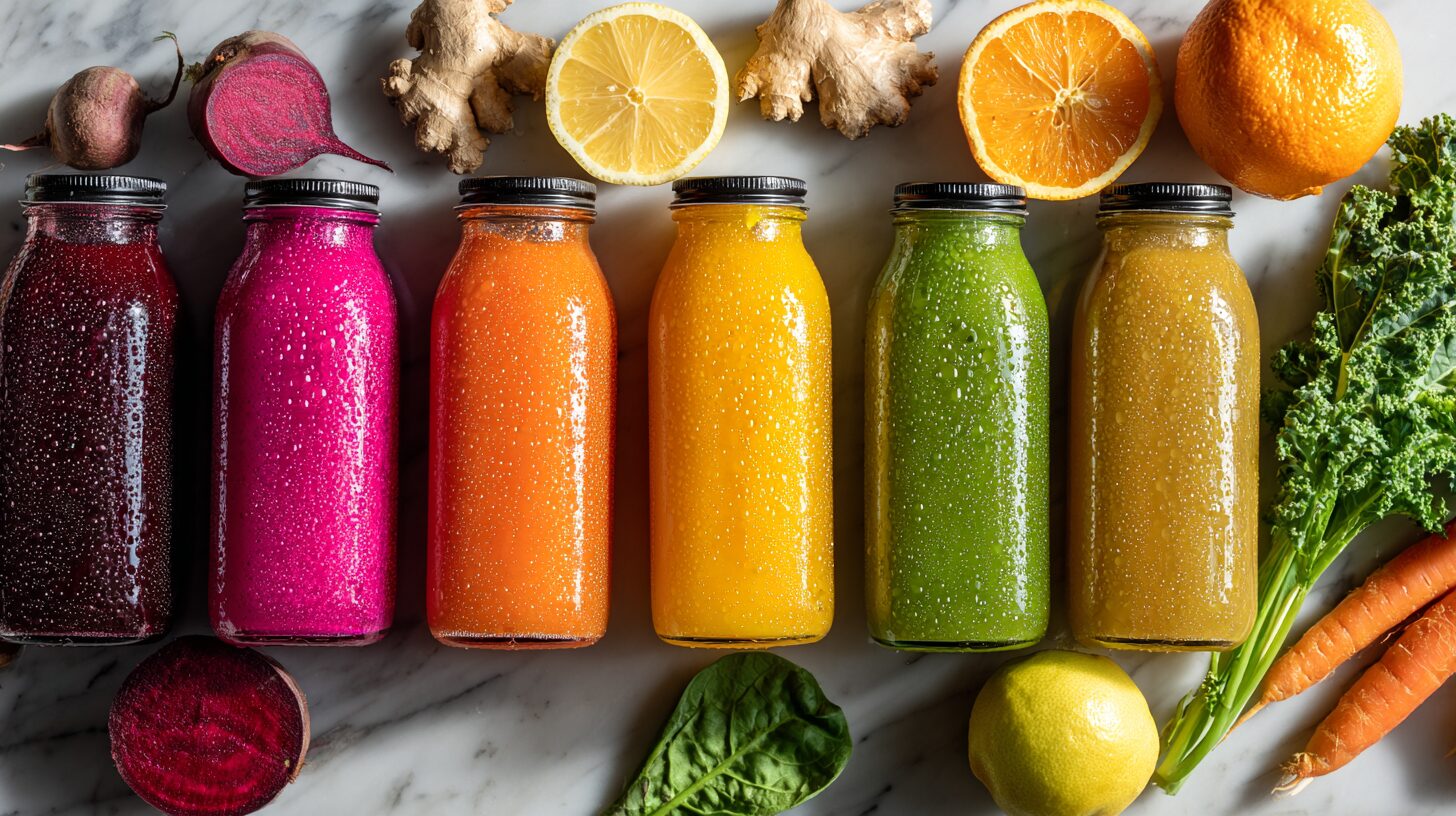
There’s something undeniably satisfying about turning a pile of whole vegetables and fruit into a single vibrant glass. The colors alone — deep green, bright orange, ruby red — make you feel healthier before you even take a sip. For me, juicing started as a weekday morning habit and turned into something I actually look forward to, a five-minute ritual that makes a busy day feel a little more intentional.
Table of Contents
This collection of juice recipes is the guide I wish I’d had when I started. It covers everything: health-focused celery juice and green detox blends, low-calorie recipes designed to support weight management, structured juice cleanse programs, fun party drinks like jungle juice, and practical recipes that work with any juicer you own. Every section links to a full dedicated recipe so you can dive deeper into whichever direction interests you.
One thing I want to be upfront about: juicing is a wonderful addition to a healthy diet. It is not a magic cure, a medical treatment, or a replacement for eating actual whole foods. It’s one tool in the toolbox — and a delicious one at that. Let’s get into it.
Why Juicing Deserves a Spot in Your Routine
Juicing is one of the easiest ways to increase your daily vegetable intake — especially if you’re the kind of person who struggles to eat enough greens. You might never sit down and eat a bowl of raw spinach, kale, and celery, but you’ll absolutely drink them blended with apple and ginger. That shift alone can meaningfully change what your body receives in a day.
The practical appeal is hard to argue with. Fresh juice delivers vitamins, minerals, and plant compounds in a form your body can absorb quickly. It hydrates you. It introduces variety — most people rotate through the same five or six vegetables, but juicing opens the door to beets, turmeric, wheatgrass, and dozens of ingredients you’d otherwise skip. And on a busy morning, a glass of juice takes less time than assembling a salad.
That said, healthy juice recipes work best when they complement your diet, not when they replace whole foods. Juicing removes most of the fiber from fruits and vegetables, and fiber is essential — it supports digestion, helps regulate blood sugar, and keeps you full. Drinking juice alongside meals that include whole fruits, vegetables, grains, and protein gives you the best of both worlds.
Health experts at institutions like Harvard and the Cleveland Clinic emphasize that no single juice provides miraculous benefits on its own. What the research does support is that adding more vegetable-based drinks to an already balanced diet can be a positive step. For a measured, science-grounded perspective on one of juicing’s most popular trends, read the Cleveland Clinic’s balanced take on celery juice and juicing trends.
The bottom line: juice is a supplement to good eating, not a substitute for it. With that honest framing, it absolutely deserves a place in your morning.
Celery Juice Recipes
Celery juice is the most popular starting point for people new to juicing, and for good reason — it’s simple, affordable, and mild enough that it doesn’t scare anyone away. If you’ve never made juice at home before, celery is the ingredient that makes you realize how easy the whole process actually is.
Pure Celery Juice
The single-ingredient version became a social media phenomenon, and while the online claims about it ran far ahead of the science, the drink itself is genuinely refreshing. Pure celery juice has a mild, slightly salty, clean taste — earthy without being overpowering. Celery is roughly 95% water, which makes the juice naturally hydrating. It also provides vitamins K and C, potassium, and folate. A standard serving uses about one full bunch of celery, which yields roughly sixteen ounces of juice.
Celery Fruit Juice Blend
If straight celery juice feels too plain, the blended version opens things up. Adding half a green apple brings natural sweetness. A quarter of a cucumber adds more volume and a cooler, milder flavor. A squeeze of lemon brightens everything. The result is a juice that’s just as hydrating but more approachable — and it’s the version most people end up preferring for daily drinking.
Get the full walkthrough, proportions, and tips for both versions in my fresh celery juice recipe and variations.
Here’s the honest picture on celery juice and health: celery contains beneficial antioxidants and anti-inflammatory compounds like apigenin and luteolin. Some early research suggests these compounds may support health in various ways. But there is no strong evidence that celery juice alone detoxifies the body, cures chronic conditions, or replaces medical treatment. Your liver and kidneys handle detoxification — that’s their job, and they do it without juice. For a thorough, evidence-based review of celery juice benefits and myths, Medical News Today offers an excellent breakdown.
Position celery juice for what it is: a healthy, hydrating, nutrient-rich addition to your diet. That’s plenty.
Juice Recipes for Weight Loss
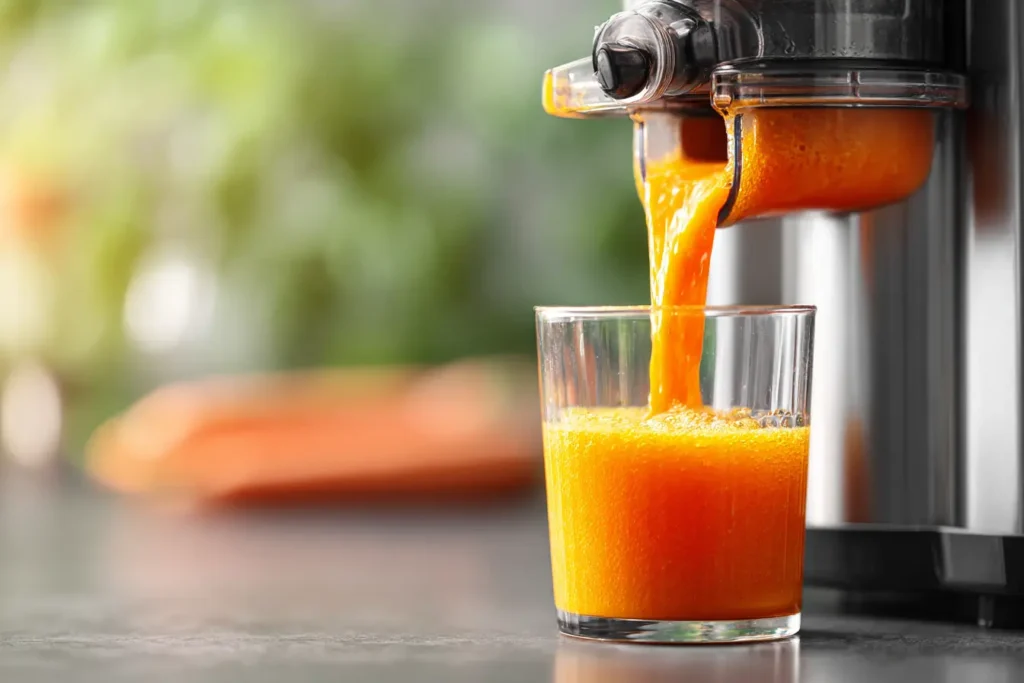
Low-calorie, vegetable-heavy juices can support weight management as part of a balanced diet — not because any single juice burns fat, but because of what the juice replaces. When a glass of green juice takes the place of a sugary soda, a sweetened coffee drink, or a processed snack, the calorie and sugar reduction adds up. That swap is what makes the difference, not any special property of the juice itself.
The principles for building weight-conscious juices are straightforward. Prioritize vegetables over fruit — leafy greens like spinach and kale, cucumber, and celery give you volume and nutrients with minimal calories and sugar. Use fruit sparingly, as a flavor enhancer rather than the base. A single green apple or half a pear is enough to sweeten a full batch without turning it into a sugar bomb.
Add functional ingredients that contribute flavor and may offer additional support. Fresh ginger adds warmth and zing. Lemon brings brightness and pairs well with almost every green combination. A small piece of turmeric root adds an earthy depth and contains curcumin, a compound with studied anti-inflammatory properties.
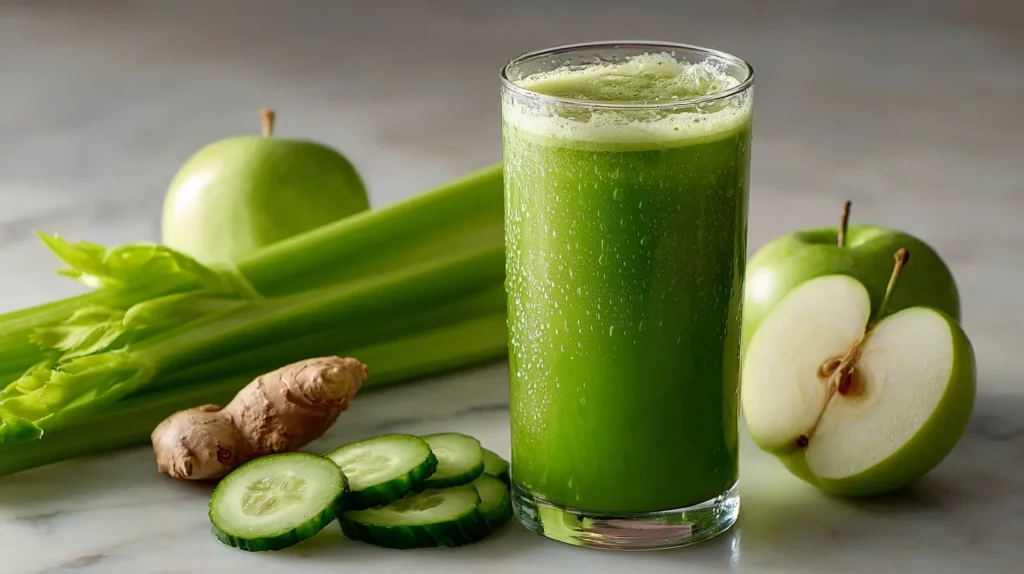
A practical starting combination: four stalks of celery, one large cucumber, two handfuls of spinach, one green apple, a thumb-sized piece of ginger, and the juice of one lemon. It makes about sixteen ounces — vibrant green, refreshing, and well under 150 calories.
Find a full range of options, proportions, and guidance in my best juicing recipes for weight loss.
To be clear: no juice causes weight loss on its own. Sustainable weight management comes from an overall pattern of healthy eating, regular physical activity, adequate sleep, and stress management. Juice is one small, enjoyable piece of that puzzle.
Juice Cleanse & Body Cleanse Recipes
Juice cleanses are one of the most popular — and most debated — topics in the juicing world. A juice cleanse typically involves replacing solid food with fresh juices for one to three days, drinking five to six juices per day at regular intervals.
People try them for different reasons: to reset eating habits after a period of overindulgence, to reduce bloating, to kick-start a higher intake of vegetables, or simply to break the cycle of reaching for processed food. And for many people, a short cleanse achieves those behavioral goals. After two days of nothing but fresh juice, a plate of grilled vegetables and quinoa feels like a revelation — and that mental reset has real value.
But let’s be honest about the biology. Your body already has a sophisticated detoxification system — your liver, kidneys, lungs, and skin work continuously to process and eliminate waste. No juice cleanse adds to that process or makes those organs work better. The word “detox” in the context of juice is more of a marketing term than a medical one.
What a cleanse can genuinely do is flood your body with vitamins, minerals, and hydration over a short period, help you break unhealthy eating patterns, and give your digestive system a temporary rest from heavy, processed food. That’s a reasonable goal — it’s just not the same as detoxification.
If you’re interested in trying a structured approach, my DIY juice cleanse recipes for a full reset walks through a complete multi-day plan with balanced recipes designed for safety and nutrition.
One critical note: because cleanse recipes involve consuming large quantities of raw, unpasteurized juice, food safety becomes especially important. Always follow the FDA juice safety guidelines for homemade juicing for proper produce handling, storage, and consumption timelines. This matters more during a cleanse than during casual daily juicing, because your entire intake is coming from raw juice.
Jungle Juice — The Party Recipe
Not every juice recipe belongs in a wellness context — some belong at a party. Jungle juice is the classic large-batch fruit punch, spiked with spirits and served ice-cold from a cooler or punch bowl. It’s the drink that shows up at backyard barbecues, game days, and celebrations where the goal is fun, not fiber intake.
The key to great jungle juice is using real fruit juices rather than artificial mixes. Fresh-squeezed orange juice, pineapple juice, cranberry juice, and lemonade create a base that’s leagues better than anything from a powder packet. From there, you balance sweet and tart — the sweetness of the fruit against the acidity of citrus — and let the whole batch chill for several hours so the flavors meld together. Sliced fresh fruit floating on top adds color, flavor, and makes the whole thing look spectacular.
A few practical tips for serving: always keep jungle juice cold with plenty of ice. Label the batch clearly so guests know it contains alcohol. If you’re hosting a mixed crowd, consider making a non-alcoholic version alongside the spiked one. And know your guests’ dietary needs — some fruit juices aren’t suitable for certain restrictions.
Get the full recipe with proportions and variations here: party-perfect jungle juice recipe.
Best Juicer Recipes for Any Machine
The best juicer is the one you already own — and almost any machine can produce excellent juice if you know how to work with it. Different juicer types have different strengths, and matching your recipes to your equipment makes the whole process smoother.
Centrifugal juicers are the most common and affordable. They work fast, handle hard fruits and vegetables like apples, carrots, and beets with ease, and are great for beginners. The trade-off is that they generate heat and introduce air, which can reduce nutrient retention slightly and cause juice to oxidize faster.
Masticating (cold-press) juicers work slowly, crushing produce at low speed. They handle leafy greens like kale and spinach much better than centrifugal models, produce less foam, and the juice tends to last longer in the fridge. They’re a worthwhile upgrade if you juice daily.
No juicer at all? A standard blender works — just blend your ingredients with a small amount of water and strain through a fine-mesh bag or cheesecloth. It takes an extra step, but the results are solid.
Three combinations that work across every machine type: a classic green juice (cucumber, celery, green apple, spinach, lemon), a vibrant root blend (two beets, three carrots, a thumb of ginger), and a tropical mix (one cup mango, one cup pineapple, a small piece of fresh turmeric). Each showcases a different flavor profile and demonstrates the range of what homemade juice recipes can offer.
Find more combinations and machine-specific guidance here: best juicer recipes for every machine.
Juicing Safety & Produce Handling Tips
Fresh juice is unpasteurized, which means food safety practices matter more here than they do with store-bought, heat-treated juices. Following a few simple habits keeps your juice safe and enjoyable.
Always wash all produce thoroughly under running water before juicing — even if you plan to peel it. Bacteria on the skin can transfer to the flesh during cutting or pressing. Cut away any damaged, bruised, or soft spots, as these areas can harbor harmful microorganisms. Use clean cutting boards, knives, and juicer parts every time.
Drink your juice as soon as possible after making it. Fresh juice is at its best — both nutritionally and from a safety standpoint — when consumed immediately. If you need to store it, refrigerate it in a sealed glass container and consume it within 24 to 48 hours. Never leave fresh juice at room temperature for more than two hours. Always discard juice that smells off, looks cloudy when it shouldn’t, or has been stored longer than 48 hours.
An important note for vulnerable populations: children, pregnant women, elderly individuals, and people with compromised immune systems should be especially cautious with raw, unpasteurized juice. The FDA’s produce safety guidelines referenced earlier in this article apply throughout your entire juicing practice — not just during cleanses.
Frequently Asked Questions
Is juicing healthier than eating whole fruits and vegetables?
Juicing and eating whole produce serve different purposes, and neither is universally better than the other. Whole fruits and vegetables provide fiber, which supports digestion, blood sugar regulation, and satiety — fiber that juicing removes. However, juicing allows you to consume a wider variety and higher volume of produce than most people would eat whole, and the nutrients in juice are absorbed quickly. The healthiest approach is to do both: eat whole fruits and vegetables as the foundation of your diet and use juice as a convenient supplement.
How long does fresh juice last in the fridge?
Fresh homemade juice lasts 24 to 48 hours in the refrigerator when stored in a sealed glass container with minimal air space. Juice from a masticating (cold-press) juicer tends to last closer to 48 hours because the slow extraction process introduces less oxygen. Juice from a centrifugal juicer oxidizes faster and is best consumed within 24 hours. Regardless of the method, always drink your juice as soon as possible for the best flavor and nutritional value.
Can juice cleanses help you lose weight?
Juice cleanses may result in short-term weight loss, but most of that loss is water weight and reduced digestive contents — not fat loss. Once you return to normal eating, the weight typically returns. A cleanse can be a useful tool for resetting eating habits, reducing cravings for processed food, and increasing your vegetable intake over a short period. For sustainable weight management, focus on long-term dietary patterns, regular physical activity, and adequate sleep rather than short-term cleanses.
What is the best juicer for beginners?
A centrifugal juicer is the best starting point for most beginners. These machines are widely available, affordable, fast, and easy to clean — all of which matter when you’re building a new habit. They handle common juicing ingredients like apples, carrots, cucumbers, and celery very well. If you find yourself juicing daily and want to work more with leafy greens, consider upgrading to a masticating juicer later. If you don’t want to invest in any equipment yet, a regular blender paired with a nut milk bag or fine-mesh strainer works well for getting started.
Is celery juice actually good for you?
Celery juice is a nutritious, hydrating drink that provides vitamins K and C, potassium, folate, and beneficial plant compounds like apigenin. It’s low in calories and can be a healthy part of your daily routine. However, the viral claims that celery juice cures chronic illness, detoxifies the body, or replaces medical treatment are not supported by strong scientific evidence. Your body’s liver and kidneys handle detoxification naturally. Celery juice is good for you the same way any nutrient-rich vegetable is good for you — as part of a varied, balanced diet.
Your Complete Collection of Juice Recipes
Juicing is one of those habits that rewards you every time you show up for it — a glass of something vibrant, fresh, and genuinely nourishing that takes less than ten minutes to make. It’s not the answer to everything, and it doesn’t need to be. It’s simply a good thing you can do for yourself, one glass at a time.
Every juice recipe in this collection has its own full, dedicated article with complete ingredients, proportions, and instructions. Whether you’re starting with a simple celery juice, building a green blend for weight management, planning a structured cleanse, or mixing up a batch of jungle juice for Saturday night — the right recipe is here.
Bookmark this page, explore what interests you, and start wherever feels right. Your juicer is waiting.